
Through the Eyes of the Bengali
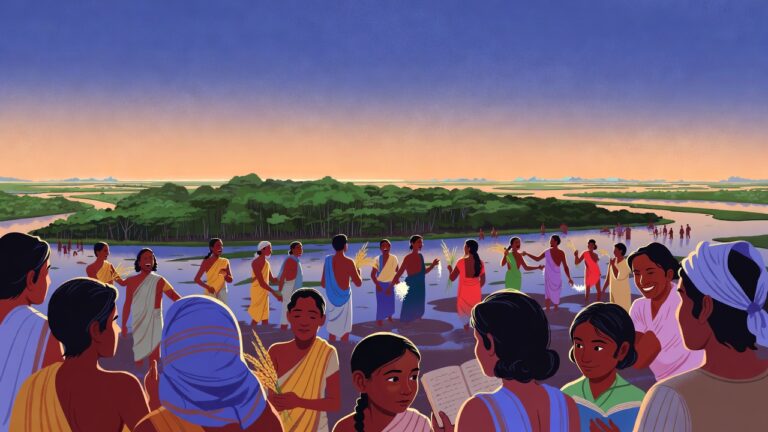
In the muddy deltas of the Ganges and Brahmaputra, where monsoon rains flood the rice fields and tigers still whisper in the Sundarbans, our story lies hidden. A story of rivers that give and take life, of rabindrasangeet that fills the night, and of a people that rose from bloodbaths and famine. We, the Bengalis, are children of a land that drowns yet blooms, born from clay and struggle, with hearts that beat to the rhythm of survival and poetry. Our past is a tapestry woven with blood and tears, but also with golden threads of resistance and creativity. Through the eyes of the Bengali, we see a people wrestling with the storms of history, always rising from the mud—a symphony of suffering and light that grants us our identity and calls us to peace.
Our suffering is as deep as the muddy beds of our rivers, an open wound that bleeds across generations. It began with colonial exploitation under the British: the Bengal Famine of 1943, artificially created by war policy and exports, claimed 3 million lives—people dying on streets while grain was shipped away, children with swollen bellies, mothers eating grass to survive. The Partition of 1947 tore us in two: millions fled across borders, trains full of corpses, women raped, families forever separated—a bloodbath that killed 1-2 million. The Liberation War of 1971 was genocide: Pakistani troops murdered 3 million Bengalis, raped 200,000-400,000 women, drove 10 million into refuge—intellectuals executed, villages burned to the ground. Cyclones like that of 1970 (300,000-500,000 dead) and 1991 turned rivers into graveyards. Climate change raises our sea level, salt water poisons our fields, millions become climate refugees in their own land. Every family knew loss: a grandmother who starved in '43, a father who fought in '71, a home swept away in the flood.
Yet from this mud rises our pride, unbreakable as the mangroves of the Sundarbans and fiery as a revolution. We defeated the Pakistani army in 1971, birthed Bangladesh from blood and fire—the first nation born from language and culture, our Bangla our weapon. We gave the world Rabindranath Tagore, Nobel laureate whose songs are our soul, Nazrul Islam's rebel poetry, Satyajit Ray's films that touched the world. Our women fought as muktijoddha alongside men, our microcredit (Grameen Bank, Nobel Prize) lifted millions from poverty. Our textile workers feed the world, our remittances build homes. From pain came resilience: we are poetic, hospitable, indestructible—our hearts full of rhythm and perseverance.
But outsiders often look without empathy, seeing us as a “poor developing country” with floods and factories, but forgetting the genocide we survived, the famine they helped create. Great powers supported Pakistan in '71, were silent about our pain while buying our cheap clothing. The world talks about climate but does not compensate us for what they caused.
We commemorate it all with quiet reverence and loud determination. On 16 December we celebrate Victory Day, on 26 March Independence Day, on 21 February Shaheed Dibas for our language martyrs. Monuments like the Shaheed Minar and the Liberation War Museum tell our children of sacrifices and victories—so the torch passes on: “Joy Bangla—never again silence.”
The depth of our loss is as great as the height of our pride. We are a people of duality: pain from genocide and flood, pride from language and freedom. Our scars are magenta, our hope turquoise. We learn perseverance, fight for justice and climate in a world of inequality, promise: from mud we rise, for peace and unity.
7 January 2026
Manna
#014-EN – Through the Eyes of the Bengali
বাঙালির চোখে
গঙ্গা ও ব্রহ্মপুত্রের কর্দমাক্ত ডেল্টায়, যেখানে মৌসুমী বৃষ্টি ধানক্ষেত ভাসিয়ে দেয় এবং সুন্দরবনের বাঘরা এখনও ফিসফিস করে, আমাদের গল্প লুকিয়ে আছে। নদীর গল্প যারা জীবন দেয় এবং নেয়, রবীন্দ্রসংগীত যা রাত ভরিয়ে দেয় এবং একটা জাতির গল্প যারা রক্তপাত ও দুর্ভিক্ষ থেকে উঠে দাঁড়িয়েছে। আমরা, বাঙালিরা, একটা দেশের সন্তান যা ডুবে যায় তবু ফুল ফোটে, কাদা ও সংগ্রাম থেকে জন্ম নিয়েছি, হৃদয়ে বেজে ওঠে টিকে থাকা ও কবিতার তালে। আমাদের অতীত একটা কার্পেট — রক্ত ও অশ্রু দিয়ে বোনা, কিন্তু সোনালি সুতোয় প্রতিরোধ ও সৃজনশীলতা দিয়ে। বাঙালির চোখে আমরা দেখি একটা জাতি যারা ইতিহাসের ঝড়ের সাথে লড়াই করে, সবসময় কাদা থেকে উঠে দাঁড়ায় — কষ্ট ও আলোর সিম্ফনি, যা আমাদের পরিচয় দেয় এবং আমাদের শান্তির দিকে ডাকে।
আমাদের কষ্ট আমাদের নদীর কর্দমাক্ত তলার মতো গভীর, একটা খোলা ক্ষত যা প্রজন্মের পর প্রজন্ম রক্তপাত করে। এটা শুরু হয়েছিল ব্রিটিশদের উপনিবেশিক শোষণ দিয়ে: ১৯৪৩ সালের বাংলার দুর্ভিক্ষ, যুদ্ধনীতি ও রপ্তানি দিয়ে কৃত্রিমভাবে সৃষ্ট, ৩০ লক্ষ জীবন কেড়ে নিয়েছে — মানুষ রাস্তায় মরছিল যখন শস্য পাঠানো হচ্ছিল, শিশুদের পেট ফুলে উঠছিল, মায়েরা ঘাস খেয়ে বেঁচে থাকার চেষ্টা করছিল। ১৯৪৭ সালের দেশভাগ আমাদের দুভাগ করেছে: লক্ষ লক্ষ মানুষ সীমান্ত পেরিয়ে পালিয়েছে, ট্রেন লাশে ভরা, নারীদের ধর্ষণ, পরিবার চিরকালের জন্য বিচ্ছিন্ন — একটা রক্তপাত যা ১০-২০ লক্ষ মানুষের জীবন নিয়েছে। ১৯৭১ সালের মুক্তিযুদ্ধ ছিল গণহত্যা: পাকিস্তানি সেনা ৩০ লক্ষ বাঙালি হত্যা করেছে, ২-৪ লক্ষ নারীকে ধর্ষণ করেছে, ১ কোটি শরণার্থী তৈরি করেছে — বুদ্ধিজীবীদের হত্যা, গ্রাম পুড়িয়ে দেওয়া। ঘূর্ণিঝড় যেমন ১৯৭০ সালের (৩-৫ লক্ষ মৃত) এবং ১৯৯১ সালের নদীগুলোকে কবরস্থানে পরিণত করেছে। জলবায়ু পরিবর্তন আমাদের সমুদ্রপৃষ্ঠ বাড়াচ্ছে, লবণাক্ত পানি আমাদের ক্ষেত বিষাক্ত করছে, লক্ষ লক্ষ নিজের দেশেই জলবায়ু শরণার্থী হচ্ছে। প্রতিটি পরিবার ক্ষতি চেনে: '৪৩-এ দুর্ভিক্ষে ক্ষুধায় মরা দাদি, '৭১-এ যুদ্ধ করা বাবা, বন্যায় ভেসে যাওয়া বাড়ি।
তবু এই কাদা থেকে আমাদের গর্ব উঠে আসে, সুন্দরবনের ম্যানগ্রোভের মতো অটুট এবং বিপ্লবের মতো উগ্র। আমরা ১৯৭১ সালে পাকিস্তানি সেনাকে পরাজিত করেছি, রক্ত ও আগুন থেকে বাংলাদেশ জন্ম দিয়েছি — ভাষা ও সংস্কৃতি থেকে জন্ম নেওয়া প্রথম জাতি, আমাদের বাংলা আমাদের অস্ত্র। আমরা বিশ্বকে রবীন্দ্রনাথ ঠাকুর দিয়েছি, নোবেল বিজয়ী যার গান আমাদের আত্মা, নজরুল ইসলামের বিদ্রোহী কবিতা, সত্যজিৎ রায়ের চলচ্চিত্র যা বিশ্বকে স্পর্শ করেছে। আমাদের নারীরা মুক্তিযোদ্ধা হিসেবে পুরুষদের পাশে লড়াই করেছে, আমাদের মাইক্রোক্রেডিট (গ্রামীণ ব্যাংক, নোবেল পুরস্কার) লক্ষ লক্ষকে দারিদ্র্য থেকে তুলেছে। আমাদের টেক্সটাইল শ্রমিকরা বিশ্বকে খাওয়ান, আমাদের রেমিট্যান্স বাড়ি বানায়। কষ্ট থেকে সহনশীলতা জন্ম নিয়েছে: আমরা কাব্যিক, অতিথিপরায়ণ, অবিনাশী — আমাদের হৃদয় তাল ও অধ্যবসায়ে ভরা।
কিন্তু বাইরের লোকেরা প্রায়ই সহানুভূতি ছাড়া দেখে, আমাদের “দরিদ্র উন্নয়নশীল দেশ” হিসেবে দেখে বন্যা ও কারখানা সহ, কিন্তু ভুলে যায় আমরা যে গণহত্যা থেকে বেঁচে গেছি, দুর্ভিক্ষ যা তারা সাহায্য করেছে সৃষ্টি করতে। মহাশক্তিগুলো '৭১-এ পাকিস্তানকে সমর্থন করেছে, আমাদের কষ্ট নিয়ে চুপ ছিল যখন আমাদের সস্তা কাপড় কিনেছে। বিশ্ব জলবায়ু নিয়ে কথা বলে কিন্তু আমাদের ক্ষতিপূরণ দেয় না যা তারা সৃষ্টি করেছে।
আমরা এসব স্মরণ করি নীরব শ্রদ্ধা ও জোরালো দৃঢ়তায়। ১৬ ডিসেম্বর বিজয় দিবস উদযাপন করি, ২৬ মার্চ স্বাধীনতা দিবস, ২১ ফেব্রুয়ারি শহীদ দিবস আমাদের ভাষা শহীদদের জন্য। শহীদ মিনার ও মুক্তিযুদ্ধ জাদুঘরের মতো স্মৃতিস্তম্ভ আমাদের সন্তানদের বলে ত্যাগ ও বিজয়ের গল্প — যাতে মশাল চলতে থাকে: “জয় বাংলা — আর কখনও নীরবতা নয়।”
আমাদের ক্ষতির গভীরতা আমাদের গর্বের উচ্চতার সমান। আমরা দ্বৈততার জাতি: গণহত্যা ও বন্যার কষ্ট, ভাষা ও স্বাধীনতার গর্ব। আমাদের দাগ ম্যাজেন্টা, আমাদের আশা ফিরোজা। আমরা অধ্যবসায় শিখি, অসমতার বিশ্বে ন্যায় ও জলবায়ুর জন্য লড়াই করি, প্রতিশ্রুতি দিই: কাদা থেকে উঠি, শান্তি ও ঐক্যের জন্য।
৭ জানুয়ারি ২০২৬
মান্না
#014-BN – বাঙালির চোখে