
Through the Eyes of the Egyptian
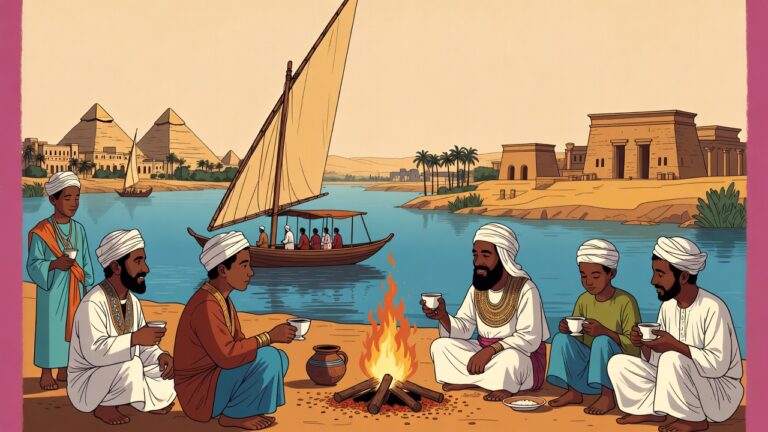
The first thing you hear as the sun rises over the Nile is the soft lapping of water against a felucca, mingled with the distant call to prayer from a minaret and the rustling of palm trees in the morning wind. That lapping carries our story back to a time of eternal flow and divine harmony, when we lived along the Nile that gave us everything. Our ancestors built pyramids that seemed to touch the stars, temples for Ra and Isis, cities like Thebes and Memphis that bloomed for thousands of years. The pharaohs ruled as gods on earth, the farmers grew wheat and flax in the black soil renewed each year by the flood, the craftsmen carved hieroglyphs in stone that told stories for eternity. Every family knew the festivals of Opet, the death rituals that guided the soul, the Nile as father and mother at once. That was our golden time: a land of eternity, where people lived in balance with the river, the sun, and the stars, connected by a history that never seemed to end.
But then came the wave from outside, like a sandstorm rising from the desert. The Persians, the Greeks with Alexander, the Romans, the Arabs, the Ottomans, the British – all seized our land, took our gold, our grain, our soul. The Nile kept flowing, but we became slaves in our own country, our temples became churches, our gods forgotten. Independence in 1922 and the revolution in 1952 brought Nasser – hope that made the Arab world dream – but also wars, defeats, and a people still struggling. Every family knew the loss: a grandfather who fought in 1956 or 1967, a brother who disappeared in the Sinai, a child who learned that freedom is never complete.
From that depth comes a pride that is ancient and indestructible. The pyramids that still stand, the Nile that still floods, the music of Oum Kalthoum that touches the soul. Our Coptic churches next to mosques, our cinnamon and cardamom in tea, our people who laugh through the heat. We have found our voice again: the 2011 revolution on Tahrir Square, the young people who called for bread, freedom, and dignity. We are a people of 7000 years that still exists, that still lets the Nile sing.
Yet the truth colors magenta like a sunset over Luxor. The scars remain: the poverty in the villages, the tourists who come but do not see the pain, the young people who emigrate because the future sometimes feels far away. The outside world buys our history as tourism, but often does not feel the depth of a people that never truly broke.
Still, we remember in silence: along the Nile where feluccas sail, during Revolution Day on July 23 when we raise our flag, in the temples where the echoes still speak – never forgetting who we were. We tell our children of the pharaohs and of Nasser, of the river and the pyramids, so they know: we were eternal and connected before we were challenged.
And yet… the Nile keeps flowing, calm and endless, a gentle whisper saying: time goes on, and we go with it. That is our secret: we have suffered under occupations, defeats, and changes, but first we were a land of eternity and river. For our children we build no walls, but a felucca that carries everyone across the Nile. How do we let that flow bring freedom again for everyone, how does Egypt remain a home of timeless strength and hope?
January 2026
Manna Ori
من خلال عيون المصري
أول ما تسمع عندما تشرق الشمس فوق النيل هو الرذاذ الناعم للماء ضد الفلوكة، ممزوجاً بنداء الصلاة البعيد من مئذنة والرياح الصباحية تهز أشجار النخيل. هذا الرذاذ يحمل قصتنا إلى زمن التدفق الأبدي والانسجام الإلهي، عندما عشنا على ضفاف النيل الذي أعطى كل شيء. أجدادنا بنوا الأهرامات التي بدت تلمس النجوم، معابد للإله رع وإيزيس، مدن مثل طيبة ومنف التي ازدهرت آلاف السنين. حكم الفراعنة كآلهة على الأرض، زرع الفلاحون القمح والكتان في التربة السوداء التي تجددت كل عام بالفيضان، نحت الحرفيون الهيروغليفية في الحجر تحكي قصصاً للأبدية. كل عائلة عرفت أعياد أوبت، طقوس الموت التي ترافق الروح، النيل أباً وأماً في آن. كان ذلك عصرنا الذهبي: أرض الخلود، حيث عاش الناس في توازن مع النهر والشمس والنجوم، متصلين بتاريخ لم ينتهِ أبداً.
لكن جاءت الموجة من الخارج، كعاصفة رملية تثور من الصحراء. الفرس، اليونانيون مع الإسكندر، الرومان، العرب، العثمانيون، البريطانيون – كلهم استولوا على أرضنا، أخذوا ذهبنا وحبوبنا وروحنا. استمر النيل في التدفق، لكننا أصبحنا عبيداً في وطننا، تحولت معابدنا إلى كنائس، نسيت آلهتنا. الاستقلال في 1922 والثورة في 1952 جلبا ناصر – أملاً جعل العالم العربي يحلم – لكن أيضاً حروباً وهزائم، وشعباً ما زال يكافح. كل عائلة عرفت الفقدان: جد قاتل في 1956 أو 1967، أخ اختفى في سيناء، طفل تعلم أن الحرية ليست كاملة أبداً.
من هذا العمق ينبع فخر قديم ولا يُدمر. الأهرامات التي ما زالت قائمة، النيل الذي يفيض ما زال، موسيقى أم كلثوم التي تمس الروح. كنائسنا القبطية بجانب المساجد، قرفة وهال في الشاي، شعبنا الذي يضحك رغم الحرارة. استعادنا صوتنا: ثورة 2011 في ميدان التحرير، الشباب الذين صاحوا بخبز وحرية وكرامة. نحن شعب 7000 عام ما زال موجوداً، يجعل النيل يغني ما زال.
ومع ذلك، الحقيقة تتلون بالماجنتا كغروب الشمس فوق الأقصر. تبقى الندوب: الفقر في القرى، السياح الذين يأتون لكنهم لا يرون الألم، الشباب الذين يهاجرون لأن المستقبل يبدو بعيداً أحياناً. العالم الخارجي يشتري تاريخنا كسياحة، لكنه غالباً لا يشعر بعمق شعب لم ينكسر حقاً.
ومع ذلك، نتذكر في صمت: على ضفاف النيل حيث تبحر الفلوكات، خلال يوم الثورة في 23 يوليو عندما نرفع علمَنا، في المعابد حيث تتردد الأصداء – لا ننسى أبداً من كنا. نحكي لأطفالنا عن الفراعنة وعن ناصر، عن النهر والأهرامات، ليعرفوا: كنا أبديين ومتصلين قبل أن نُتحدى.
ومع ذلك… يستمر النيل في التدفق، هادئاً ولا نهاية له، همساً ناعماً يقول: الزمن يمضي، ونحن نمضي معه. ذلك سرنا: عانينا تحت الاحتلالات والهزائم والتغييرات، لكننا كنا أولاً أرض الخلود والنهر. لبنينا لأطفالنا لا جدراناً، بل فلوكة تحمل الجميع عبر النيل. كيف نجعل هذا التدفق يعود يحمل الحرية للجميع، كيف يبقى مصر بيت القوة الخالدة والأمل؟
يناير 2026
مانا أوري