
Through the Eyes of the Iraqi
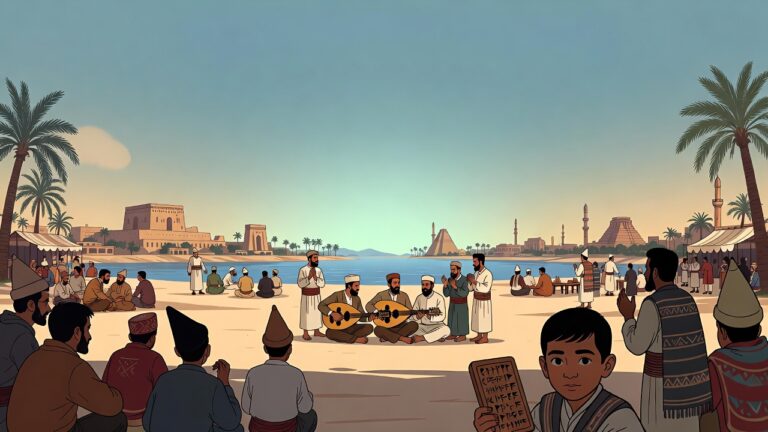
The first thing you hear as morning comes over the Tigris in Baghdad is the soft, undulating sound of an ancientoud instrument striking a single string, blending with the distant call of a muezzin and the scent of freshcardamom and tea drifting from a nearby house. That string carries our story back to a time of rivers andwisdom, when we lived as the heart of Mesopotamia. Our ancestors built ziggurats in Ur and Babylon thatseemed to touch the sky, wrote the first laws on clay tablets, told the epics of Gilgamesh and Enkidu. TheSumerians, Akkadians, Babylonians, Assyrians—they gave the world writing, mathematics, the calendar, theHanging Gardens of Babylon as one of the seven wonders. Every family knew the stories of creation, the feastsalong the Euphrates and Tigris, the communities where knowledge was passed on and trade flourished. Thatwas our golden time: a land of two rivers, where people lived with the Tigris as mother and the Euphrates asfather, bound by wisdom and civilization.
But then came the wave from outside, like a storm rising from the desert. The Persians, the Greeks underAlexander, the Arabs, the Mongols who devastated Baghdad in 1258 and set the House of Wisdom libraryablaze. The Ottomans held us in their grip for centuries, the British colonized us in 1917, independence in 1932brought hope but also dictatorships. Every family knew the loss: an ancestor who fought in uprisings, a child wholearned that freedom was forbidden, a culture that had to hold on in secret. Saddam’s wars, the 2003 invasion,the chaos that followed with ISIS: millions dead, cities in ruins, families fleeing. Every family knew the fear, thedisappearances, the emptiness in the streets of Mosul and Baghdad.
From that depth rises a pride that is ancient and indestructible. The oud that still plays ragas, the tea slowlybrewed, the poetry of Al-Mutanabbi that touches the soul. Our baklava made with love, our people who laughthrough pain, our youth who rise for a better land. We have found our voice again: the hope that still burns alongthe two rivers, the culture that never fully died.
Yet the truth colors magenta like a sunset over the ruins of Babylon. The scars remain: the wars that continue,the poverty in the villages, the emigration of youth, the memory of devastation. The outside world buys our oiland our history as tourism, but often does not feel the depth of a people that never broke.
Still, we remember in silence: around the oud where music is made, on Independence Day on October 3 whenwe raise our flag, along the Tigris where the spirits still speak—we never forget who we were. We tell ourchildren of Gilgamesh and of the Abbasids, of the rivers and the desert, so they know: we were connected andstrong before we were challenged.
And yet… the oud continues, soft and deep, like a promise floating over the two rivers. That is our secret: wehave suffered under occupations, devastation, and wars, but first we were a land of civilization and wisdom. Forour children we build no walls, but a riverbank where everyone may sit. How do we let that string sound bringhope to everyone again? How does Iraq remain a home of timeless strength and unity?
January 2026
Manna Ori
من عيون العراقي
أول صوت تسمعة الصبح يجي على دجلة ببغداد هو صوت العود القديم يدق وتر واحد، مخلوط مع صوت المؤذن البعيد وريحة الهيل والشاي الطاز يطلع من دار قريبة. هذا الصوت الوتري يرجعنا لزمان النهرين والحكمة، زمان كنا نعيش كقلب بلاد الرافدين. أجدادنا بنوا زقورات بأور وبابل تلامس السماء، كتبوا أول قوانين على ألواح طين، حكوا ملحمة جلجامش وإنكيدو. السومريين والأكديين والبابليين والآشوريين – هم أعطوا الدنيا الكتابة والحساب والتقويم وحدائق بابل المعلقة من عجائب الدنيا. كل عائلة كانت تعرف قصص الخلق، الأعياد على الفرات ودجلة، المجتمعات اللي تتورث العلم والتجارة تزدهر. هذا كان وقتنا الذهبي: بلد من نهرين، نعيش مع دجلة أم وفرات أب، متصلين بالحكمة والحضارة.
لكن جات الموجة من برة، ترتفع مثل عاصفة من الصحراء. الفرس واليونان مع إسكندر والعرب والمغول اللي دمروا بغداد سنة 1258 وحرقوا بيت الحكمة. العثمانيين مسكونا قرون، الإنكليز استعمروا 1917، الاستقلال 1932 جاب أمل لكن بعدو ديكتاتوريات. كل عائلة عرفت الخسارة: جد قاتل بالثورات، طفل تعلم الحرية محظورة، ثقافة تمسكت بيها بالسر. حروب صدام، الغزو 2003، الفوضى بعدو مع داعش: ملايين موتى، مدن خراب، عائلات على الفرار. كل عائلة عرفت الخوف، الاختفاء، الخلاء بشوارع الموصل وبغداد.
من هذا العمق يرتفع فخر قديم وما يندم. العود لسه يعزف مقاماته، الشاي يغلى بالحب، شعر المتنبي يلمس الروح. بقلاوتنا يتصنع بالحب، ناسنا تضحك على الألم، شبابنا يقوم لوطن أحسن. عدنا صوتنا: أمل لسه يشعل على النهرين، ثقافة ما ماتت تمام.
لكن الحقيقة تلون ماجنتا مثل غروب شمس على خرائب بابل. الجراح لسه موجودة: الحروب مستمرة، الفقر بالقرى، هجرة الشباب، تدمير تراثنا. الدنيا برة تشتري نفطنا وتاريخنا كسياحة، لكن غالباً ما تحس بعمق شعب ما انكسر أبدًا.
مع هذا نتذكر بصمت: حول العود حيث تولد الموسيقى، في اليوم الوطني 3 أكتوبر نرفع رايتنا، على دجلة حيث الأرواح لسه تحكي – لن ننسى من كنا. نحكي لأولادنا عن جلجامش والعباسيين، عن النهرين والصحراء، حتى يعرفوا: كنا متصلين وأقوياء قبل ما تجينا التحديات.
ومع هذا… العود يستمر، ناعم وعمق، مثل وعد يتحرك على النهرين. هذا سرنا: تعذبنا تحت الاحتلال والتدمير والحروب، لكن أولاً كنا بلد حضارة وحكمة. لأولادنا ما نبني جدران، بل شاطئ نهرين يجلس فيه الجميع. شلون ندعو هذا الصوت الوتري يرجع الأمل للكل؟ شلون يرجع العراق منزل للقوة الخالدة والوحدة؟
كانون الثاني 2026
Manna Ori