
Through the Eyes of the Lebanese
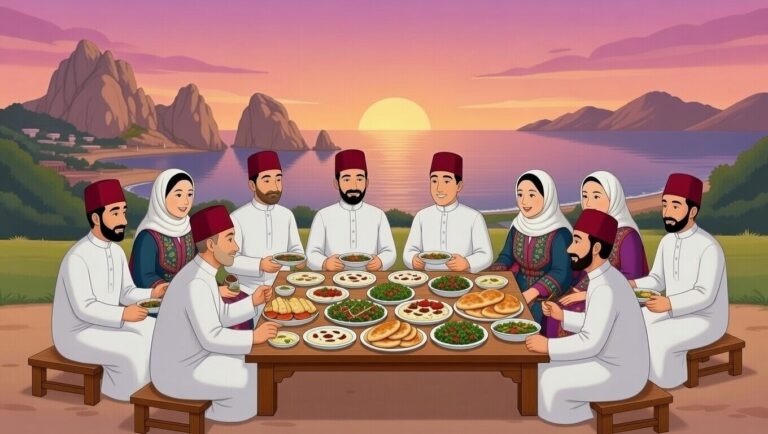
The first thing you hear as morning arrives over Beirut is the soft, undulating sound of the sea breaking against the rocks of Raouché, mingled with the distant ring of a church bell and a muezzin calling at the same time, and the scent of fresh manakish and za'atar drifting from a nearby home. That wave-rhythm carries our story back to a time of mountains and sea, when we lived as the Phoenicians and later the peoples of Lebanon. Our ancestors built cities like Byblos, Sidon, and Tyre—the oldest continuously inhabited cities in the world—sailed the Mediterranean with their purple-dyed ships, brought the alphabet to the world. They lived in harmony with the sea as mother and the mountains as father: traders exchanging spices and cedars, poets singing the beauty of nature, communities where Maronites, Druze, Sunnis, Shiites, and others lived side by side in a mosaic of faith and tradition. Every family knew the feasts of Eid and Christmas celebrated together, the cedars of God that protected us, the bond stronger than time. That was our golden time: a land of cedars and sea, where people lived with diversity as wealth and hospitality as law, connected through history and tolerance.
But then came the wave from outside, like a storm rising from all directions. The Ottomans, the French who made us a mandate, the civil war from 1975 to 1990 that tore the country apart: Beirut in ruins, families divided between militias, tens of thousands dead, the sea full of blood. Every family knew the loss: a brother fallen in the streets, a home burning along the Green Line, a child growing up with sirens. The wars that followed: Israeli invasions, Hezbollah conflicts, the explosion in the port in 2020 that devastated the city again. Every family knew the pain, the disappearances, the emptiness in the streets.
From that depth rises a pride that is warm and resilient. The cedars that still stand in the mountains, the mezze shared with love, the music of Fairuz that touches the soul. Our people who laugh through hardships, our youth who rise for a better country, our diversity that makes us unique. We have found our voice again: the revolution of 2019 when everyone came together in the streets, the hope that still burns in the mountains.
Yet the truth colors magenta like a sunset over the Mediterranean. The scars remain: corruption that hollows the land, the economic crisis that breaks families, the emigration of youth, the memory of wars. The outside world buys our tourism and our cuisine, but often does not feel the depth of a people that never broke.
Still, we remember in silence: on the squares where protests still echo, during Independence Day on 22 November when we raise our flag, in the mountains where the cedars still stand—never forgetting who we were. We tell our children of the Phoenicians and of Fairuz, of the sea and the mountains, so they know: we were connected and strong before we were challenged.
And yet… the wave-rhythm continues, calm and endless, like a promise that the sea always returns. That is our secret: we have suffered under colonization, wars, and crisis, but we were first a land of cedars and diversity. For our children we build no walls, but a table where everyone may sit. How do we let that wave-rhythm bring hope to everyone again, how does Lebanon remain a home of unity and light?
January 2026
Manna Ori
من خلال عيون اللبناني
أول ما تسمع عندما يطلع الصباح على بيروت هو الصوت الناعم المتماوج للبحر الذي يضرب صخور الروشة، ممزوجاً بصوت جرس كنيسة بعيد وأذان مؤذن يصدح في الوقت نفسه، ورائحة المناقيش الطازجة والزعتر التي تتسرب من منزل مجاور. ذلك إيقاع الأمواج يحمل قصتنا إلى زمن الجبال والبحر، عندما عشنا كالفينيقيين وبعدهم شعوب لبنان. أجدادنا بنوا مدناً مثل جبيل وصيدا وصور – أقدم المدن المأهولة باستمرار في العالم – أبحروا في المتوسط بسفنهم المصبوغة بالأرجوان، أهدوا العالم الأبجدية. عاشوا في انسجام مع البحر أماً والجبال أباً: تجار يتبادلون التوابل والأرز، شعراء ينشدون جمال الطبيعة، مجتمعات حيث عاش الموارنة والدروز والسنة والشيعة وغيرهم جنباً إلى جنب في فسيفساء من الإيمان والتقاليد. كل عائلة كانت تعرف أعياد العيد والميلاد التي تُحتفل بها معاً، أرز الله الذي يحمينا، الترابط أقوى من الزمن. ذلك كان عصرنا الذهبي: أرض الأرز والبحر، حيث عاش الناس بالتنوع ثروة والضيافة قانوناً، متصلين بالتاريخ والتسامح.
لكن جاءت الموجة من الخارج، كعاصفة تثور من كل الجهات. العثمانيون، الفرنسيون الذين جعلونا انتداباً، الحرب الأهلية من 1975 إلى 1990 التي مزقت البلد: بيروت في أنقاض، عائلات مقسمة بين الميليشيات، عشرات الآلاف قتلى، البحر مليء بالدماء. كل عائلة عرفت الخسارة: أخ سقط في الشوارع، منزل يحترق على الخط الأخضر، طفل نشأ مع صفارات الإنذار. الحروب التي تلت: الغزوات الإسرائيلية، صراعات حزب الله، انفجار المرفأ في 2020 الذي دمر المدينة من جديد. كل عائلة عرفت الألم، الاختفاءات، الفراغ في الشوارع.
من ذلك العمق يرتفع فخر دافئ وصامد. الأرز الذي لا يزال يقف في الجبال، المزة التي تُقدم بحب، موسيقى فيروز التي تلمس الروح. شعبنا الذي يضحك رغم الصعاب، شبابنا الذي ينتفض لبلد أفضل، تنوعنا الذي يجعلنا فريدين. وجدنا صوتنا من جديد: ثورة 2019 حين اجتمع الجميع في الشوارع، الأمل الذي لا يزال يشتعل في الجبال.
لكن الحقيقة تتلون بالماجنتا كغروب الشمس فوق المتوسط. الندوب باقية: الفساد الذي ينهك البلد، الأزمة الاقتصادية التي تكسر العائلات، هجرة الشباب، ذكرى الحروب. العالم الخارجي يشتري سياحتنا ومطبخنا، لكنه غالباً لا يشعر بعمق شعب لم ينكسر أبداً.
ومع ذلك، نتذكر في صمت: في الساحات حيث لا تزال المظاهرات تتردد، في يوم الاستقلال 22 نوفمبر عندما نرفع علمَنا، في الجبال حيث لا يزال الأرز يقف – لا ننسى أبداً من كنا. نحكي لأطفالنا عن الفينيقيين وعن فيروز، عن البحر والجبال، حتى يعرفوا: كنا متصلين وقويين قبل أن نُختبر.
ومع ذلك... إيقاع الأمواج يستمر، هادئاً ولا نهائياً، كوعد بأن البحر دائماً يعود. ذلك سرنا: عانينا من الاستعمار والحروب والأزمات، لكننا كنا أولاً أرض الأرز والتنوع. لبنينا لأطفالنا لا جدراناً، بل طاولة يجلس عليها الجميع. كيف نجعل إيقاع الأمواج يجلب الأمل للجميع من جديد، كيف يبقى لبنان بيت الوحدة والنور؟
يناير 2026
Manna Ori