
Through the Eyes of the Rwandan
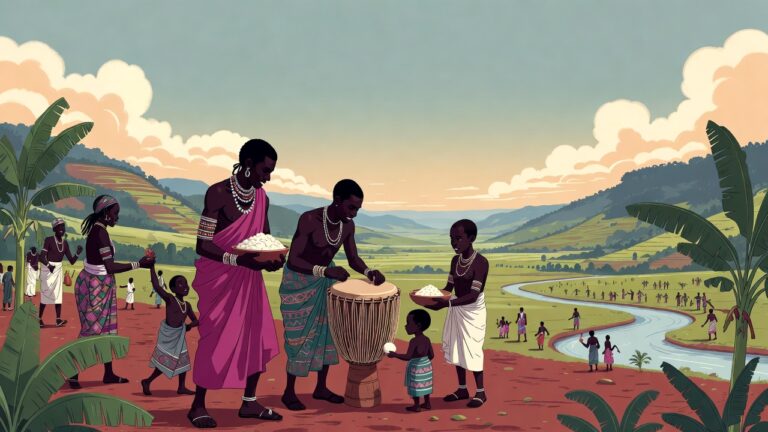
The first sound you hear as morning arrives over Kigali is the soft, rhythmic beat of an ingoma drum striking once, mingled with the distant call of an ibis and the scent of fresh ugali and isombe (cassava leaves with peanuts) drifting from a nearby home. That drum-sound carries our story back to a time of hills and unity, when we lived as the people of Rwanda: the Hutu, Tutsi, and Twa who together formed the land. Our ancestors built kingdoms with palaces on the hills, grew sorghum and beans in fertile soil, honored the spirits of ancestors and nature. The mwami (king) ruled with counsel and consensus, clans worked together in umuganda (communal labor), the intore dances showed strength and grace. Every family knew the tales of the ancestors, the feasts where everyone gathered, the bond stronger than differences. That was our golden time: a land of a thousand hills, where people lived in harmony with the earth as mother and the hills as father, connected by umuganda and respect.
But then came the wave from outside, like a storm rising from the past. The Germans and Belgians colonized us,introduced identity cards that separated Hutu and Tutsi, sowed division where harmony had been. Every family knew the loss: an ancestor degraded or privileged by those cards, a child who learned differences could become hate. Independence in 1962 brought hope, but also tensions that grew into the genocide in 1994: 100 days ofhell, nearly a million dead, neighbors against neighbors, families torn apart. Every family knew the pain: a brother murdered, a mother who survived by fleeing, a child who grew up in the shadow of trauma.
From that depth rises a pride that is deep and resilient. The ingoma drum that still beats in the villages, theumuganda that brings people together to build again, the gacaca courts that sought reconciliation. Our people laughing through pain, our youth rising for a better land, our bond stronger than the wounds. We have found our voice again: reconstruction under Kagame, hope growing on the hills, unity slowly being restored.
Yet the truth colors magenta like a sunset over the hills of Nyamata. The scars remain: the genocide still in memory, trauma that touches generations, poverty in the villages, pressure of a fast-changing world. The outside world buys our coffee and our tourism, but often does not feel the depth of a people who never broke.
Still, we remember in silence: around the ingoma where music is made, during Kwibuka (remembrance) in April when we honor the victims, in the hills where the spirits still speak – never forgetting who we were. We tell our children of the old kingdoms and of reconciliation, of the hills and the rivers, so they know: we were connected and strong before we were challenged.
And yet… the ingoma continues, deep and low, like a heartbeat that never falls silent. That is our secret: we havesuffered under colonization, division, and genocide, but first we were a land of hills and unity. For our children we build no walls, but an umuganda day where everyone may build together. How do we let that drum-sound bring hope to everyone again? How does Rwanda remain a home of reconciliation and resilience?
January 2026
Manna Ori
Mu Maso y'umunyarwanda
Icyo uwo munsi wa mbere ukumva mu gitondo gishyiraho Kigali ni injyana y'umuririmbyi w'ingoma ikubita rimwe, yihutirwa n'ijwi ry'ibisiga ry'umukara mu bushyamba n'umunuko w'ugali n'umucyo wa isombe (ibishyimbo by'ibishyimbo by'ibinyomoro) biva mu nzu y'umuturanyi. Iyo njyana y'ingoma yitwaye ikuru ryacu inyuma mu gihe cy'imisozi n'ubumwe, ubwo twari twaba nk'abanyarwanda: Abahutu, Abatutsi n'Abatwa bahuriye mu gihugu. Abakurambere bacu bubatse ingoma z'ubwami ku misozi, bahinzemo umuceri n'ibishyimbo mu butaka bwiza, bahereye abazimu b'abakurambere n'imyaka. Umwami yategekaga n'inama n'ubumwe, imiryango yakoraga umuganda (umurimo rusange), imbyino y'intore yerekanaga imbaraga n'ubwuzu. Buri muryango wari uzi amakuru y'abakurambere, amahanga y'umwaka mushya, ubumwe bwari bukomeye kurusha ibintu. Ibyo byari ibihe byacu bya zahabu: igihugu cy'imisozi igihumbi, abantu bahora mu mahoro n'isi nk'umubyeyi n'imisozi nk'umubyeyi, bahuriye mu umuganda n'icyubahiro.
Ariko hanyuma haje igihu hanze, nk'urugamba rwavuye ku butaka. Abadage n'Ababiligi batuyoboye, batangaje amakarita y'ubumwe bw'Abahutu n'Abatutsi, babivamo ubwoko aho hari ubumwe. Buri muryango wari uzi igihombo: umukurambere wari wabaye hasi cyangwa hejuru kubera ayo makarita, umwana wize ko ibintu bitandukanye bishobora kuba urwango. Ubwigenge mu 1962 bwazanye icyizere, ariko nanone impaka zikomeza kugeza ku iyicwa ry'Abanyarwanda mu 1994: iminsi 100 y'umuriro, hafi miliyoni imwe y'abantu bapfuye, abaturanyi bahanganye n'abaturanyi, imiryango yagabanijwe. Buri muryango wari uzi ububabare: umuvandimwe wapfuye, umubyeyi wahungiye, umwana wakuriye mu gicucu cy'ibibazo.
Kuva muri iyo gahunda, umurage ukomeye ukagenda ukomera. Ingoma ikomeza gukubita mu midugudu, umuganda ukomeza gukorera hamwe kugira ngo bubake, iburanisha ry'igacaca ryashakaga ubumwe. Abanyarwanda bakomeza guseka mu bibazo, urubyiruko rwazamuka rugamije igihugu cyiza, ubumwe bwacu bukomeye kurusha ibikomere. Twasubije ijwi ryacu: kubaka igihugu cyacu, icyizere gikomeza ku misozi, ubumwe burimo gukura buhoro buhoro.
Ariko ukuri kurabagirana magenta nk'izuba ririmo kurengera ku misozi ya Nyamata. Ibikomere biracyari: kwibuka iyicwa ry'Abanyarwanda, ibibazo by'ibikomere by'umuryango, ubukene mu midugudu, igihano cy'isi ihinduka vuba. Isi hanze ikora ubucuruzi bw'ikawa yacu n'ubukerarugendo, ariko benshi ntibumva ubujyari bw'abantu batigeze bahungabana.
Nyamara turibuka mu rwihishwa: hafi y'ingoma aho umuziki ukorerwa, mu gihe cya Kwibuka mu kwezi kwa kane tuzirikana abishwe, ku misozi aho imizimu ikomeza kuvuga – ntituzibagirana uwo twari twari. Turabwira abana bacu iby'ubwami bw'ubukuru n'ubumwe, iby'imisozi n'imigezi, kugira ngo bamenye: twari twunze kandi twari tw'inkomezi mbere y'uko batuvunjisha.
Kandi nyamara… ingoma ikomeza, yimbitse kandi yimbitse, nk'umutima utigera uhwema. Ibyo ni ibanga ryacu: twababaye munsi y'ubukoloni, ubwoko n'iyicwa ry'Abanyarwanda, ariko mbere twari igihugu cy'imisozi n'ubumwe. Kubera abana bacu ntitwubaka inkingi, ahubwo umunsi w'umuganda aho buri wese ashobora kubaka. Ni gute twakora ngo iyi njyana y'ingoma izanye icyizere kuri bose? Ni gute Rwanda izakomeza kuba urugo rw'ubumwe n'inkomezi?
Mutarama 2026
Manna Ori