
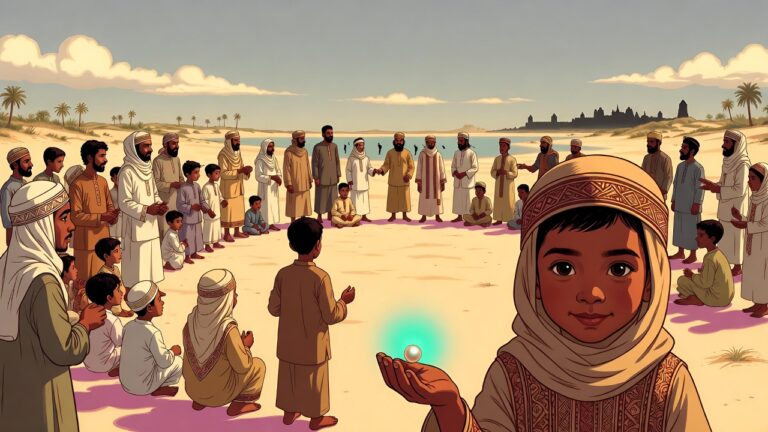
Through the Eyes of the Bahraini
In the pearl of the Gulf, where palm trees sway above ancient pearl-diving grounds and the sun gilds the minarets of old mosques, our story lies hidden. A story of pearls pulled from the sea, of dhows catching the wind, and of a people that stood firm between powers. We, the Bahrainis, are children of a small island with a big heart, born from salt and sand, with hearts that beat to the rhythm of tradition and a longing for freedom. Our past is a tapestry woven with blood and tears, but also with golden threads of hospitality and resilience. Through the eyes of the Bahraini, we see a people wrestling with the storms of history, always rising from the ashes—a symphony of suffering and light that grants us our identity and calls us to peace.
Our suffering is as deep as the Gulf that surrounds us, an open wound that bleeds across generations. It began with colonial domination: the Portuguese in the 16th century, then the Persians, and from 1783 the Al Khalifa dynasty that rules to this day. In the 20th century our land became a British protectorate (until 1971), our pearl diving collapsed due to Japanese cultured pearls, our economy dependent on oil that was later discovered. The Arab Spring reached us in 2011: peaceful protests at the Pearl Roundabout for democracy, equality, and an end to discrimination were harshly suppressed—dozens killed, thousands arrested, torture, citizenship revoked. Sectarian tensions between Sunni rulers and the Shia majority fuel division. Oil brought wealth, but also dependency, environmental pollution, and a “resource curse.” Women and activists still fight for rights, while foreign powers use us as a strategic base. Every family knew loss: a son in prison, a protest that bled, a voice silenced.
Yet from these ashes rises our pride, unbreakable as our forts and warm as our hospitality. We were for centuries the center of pearl diving, feeding the world with our treasures. We built a modern society with Formula 1 races, skyscrapers, and one of the highest living standards in the Gulf. Our Dilmun civilization (thousands of years old) testifies to a rich history, our mosques and traditions connect us. We excel in finance, education, and sport. Our women study and work, our youth dream big. From pain came resilience: we are tolerant, family-oriented, hospitable to the core—our hearts full of warmth and perseverance.
But outsiders often look without empathy, seeing us as a “rich oil statelet” with luxury and races, but forgetting the oppression, the protests, human rights. Great powers support the monarchy for bases and oil, minimize our suffering while profiting from our position. The world comes for vacation or business but rarely sees our real struggle.
We commemorate it all with quiet reverence and determined hope. On National Day (December 16) we celebrate unity, but many also remember the Pearl Roundabout that was demolished. Activists in exile and at home keep the flame burning. Our children learn about Dilmun, about pearl divers, about 2011—so the torch passes on: “Freedom and justice.”
The depth of our loss is as great as the height of our pride. We are a people of duality: pain from oppression and division, pride from history and hospitality. Our scars are magenta, our hope turquoise. We learn tolerance, fight for democracy and rights in a world of power, promise: from ashes we rise, for peace and unity.
7 January 2026
Manna
#013-EN – Through the Eyes of the Bahraini
من خلال عيون البحريني
في لؤلؤة الخليج، حيث تتمايل النخيل فوق أراضي غواصي اللؤلؤ القديمة والشمس تذهب مآذن المساجد القديمة، تكمن قصتنا مخفية. قصة لآلئ انتُزعت من البحر، سفن شراعية تلتقط الريح، وشعب وقف بين قوى كبرى. نحن، البحرينيون، أبناء جزيرة صغيرة بقلب كبير، ولدنا من الملح والرمل، بقلوب تنبض على إيقاع التقاليد والشوق إلى الحرية. ماضينا سجادة منسوجة بالدم والدموع، لكن أيضًا بخيوط ذهبية من الكرم والصمود. من خلال عيون البحريني نرى شعبًا يصارع عواصف التاريخ، دائمًا يقوم من الرماد — سيمفونية من المعاناة والنور، تمنحنا هويتنا وتدعونا إلى السلام.
معاناتنا عميقة مثل الخليج الذي يحيط بنا، جرح مفتوح ينزف عبر الأجيال. بدأت بالسيطرة الاستعمارية: البرتغاليون في القرن السادس عشر، ثم الفرس، ومنذ 1783 أسرة آل خليفة التي تحكم حتى اليوم. في القرن العشرين أصبحت أرضنا محمية بريطانية (حتى 1971)، غوص اللؤلؤ انهار بسبب اللآلئ المزروعة اليابانية، اقتصادنا أصبح معتمدًا على النفط الذي اكتُشف لاحقًا. الربيع العربي وصلنا في 2011: احتجاجات سلمية في دوار اللؤلؤة من أجل الديمقراطية والمساواة وإنهاء التمييز قُمعت بقسوة — عشرات القتلى، آلاف المعتقلين، تعذيب، سحب الجنسية. التوترات الطائفية بين الحكام السنة والأغلبية الشيعية تغذي الانقسام. النفط جلب الثراء، لكن أيضًا الاعتمادية، تلوث البيئة ولعنة الموارد. النساء والناشطون ما زالوا يقاتلون من أجل الحقوق، بينما قوى أجنبية تستخدمنا كقاعدة استراتيجية. كل عائلة عرفت الخسارة: ابن في السجن، مظاهرة سالت دمًا، صوت خُنق.
لكن من هذا الرماد يرتفع فخرنا، غير قابل للكسر مثل حصوننا ودافئ مثل كرمنا. كنا لقرون مركز غوص اللؤلؤ، نغذي العالم بكنوزنا. بنينا مجتمعًا حديثًا بسباقات فورمولا 1، ناطحات سحاب، وأحد أعلى مستويات المعيشة في الخليج. حضارتنا الدلمونية (آلاف السنين) تشهد على تاريخ غني، مساجدنا وتقاليدنا تربطنا. نتفوق في المالية والتعليم والرياضة. نساؤنا يدرسن ويعملن، شبابنا يحلم كبيرًا. من الألم ولد الصمود: نحن متسامحون، موجهون نحو العائلة، كرماء إلى النخاع — قلوبنا مليئة بالدفء والإصرار.
لكن الخارجيون غالبًا ما ينظرون بدون تعاطف، يروننا “دولة نفطية ثرية” بالرفاهية والسباقات، لكن ينسون الظلم والاحتجاجات وحقوق الإنسان. القوى الكبرى تدعم الملكية من أجل القواعد والنفط، تقلل من معاناتنا بينما تستفيد من موقعنا. العالم يأتي للعطلة أو الأعمال لكنه نادرًا ما يرى نضالنا الحقيقي.
نحتفل بكل هذا باحترام هادئ وأمل مصمم. في اليوم الوطني (16 ديسمبر) نحتفل بالوحدة، لكن الكثيرون يتذكرون أيضًا دوار اللؤلؤة الذي هُدم. الناشطون في المنفى وفي الوطن يحافظون على الشعلة مشتعلة. أطفالنا يتعلمون عن دلمون، عن غواصي اللؤلؤ، عن 2011 — لكي تمر الشعلة: “الحرية والعدالة”.
عمق خسارتنا يساوي ارتفاع فخرنا. نحن شعب ثنائي: ألم الظلم والانقسام، فخر التاريخ والكرم. ندوبنا أرجوانية، أملنا فيروزي. نتعلم التسامح، نناضل من أجل الديمقراطية والحقوق في عالم القوة، نعد: من الرماد نرتفع، من أجل السلام والوحدة.
7 يناير 2026
مانا
#013 -AR – من خلال عيون البحريني