
Through the Eyes of the Belarusian
In the quiet forests of Belovezhskaya Pushcha, where the bison still roam free and the snow gently covers everything that hurts, our story lies hidden. A story of potatoes that survive in the soil, of songs sung in winter, and of a people that forged silent strength from ice and oppression. We, the Belarusians, are children of a land that always stood in the middle—between great powers, between past and present. Our white-red-white is like an open wound that does not heal: white for the snow that forgives, red for the blood we shed and let flow, and the stripes that connect us, but also separate us.
The pain began long before the twentieth century, like a distant storm that slowly rolls closer. Centuries of foreign hands on our land: Poles and Lithuanians who divided us, Russians who annexed us, uprisings like those in 1830 and 1863 drowned in blood. Every family knew the fear: fathers fighting in the forests, mothers telling stories in secret, the taste of famine after failed harvests. But the real depth came in the twentieth century: the Great Patriotic War, where every third of us disappeared. More than two million dead—villages like Khatyn completely wiped out, children dying in the cold while houses burned, partisans fighting in the forests with bare hands and hearts full of fire. The Nazis burned 5,000 villages, deported hundreds of thousands, and we paid the price with our blood. Kurapaty, where the earth is full of mass graves from Stalin's purges—tens of thousands shot in the neck, buried in silence.
From that depth comes a pride that is silent but deep. The partisans who controlled 60 percent of the land, who derailed trains and blew up bridges—that is us. The farmer who sacrificed his home for the fight, the woman who carried messages in her skirts, the tree that sprouts again after fire. We rebuilt from rubble after 1945, factories like MAZ and BelAZ that reached the world, and in 1991 we declared independence in Belovezhskaya Pushcha—a moment of hope, a flame in the snow. Our songs, our language that nearly died but returns, our white-red flag that waves in the hearts of many.
But the truth colors magenta like a festering scar. After 1994 came the grip that squeezed us: elections stolen, votes ignored, and in 2020 the great wave of hope that broke against walls of violence. Hundreds of thousands on the streets, families, youth, women with flowers—we sang for freedom, for a voice. Then came the nights of August: rubber bullets, tear gas, boots trampling faces, bodies with bruises like a sole print. More than 30,000 arrested, many tortured in cells without food or light, dozens disappeared, bodies found with broken bones. The great powers watched—some supported, others were silent—while our hope was crushed, our flag banned, our voices silenced.
Yet we commemorate in silence: in the forests where partisans still echo, in the stories we whisper to children, in Victory Day on May 9 as a promise—never again genocide, never again silence. We teach the children the darkness, so they do not repeat it. We carry the white-red flag in our hearts, even if it is forbidden outside.
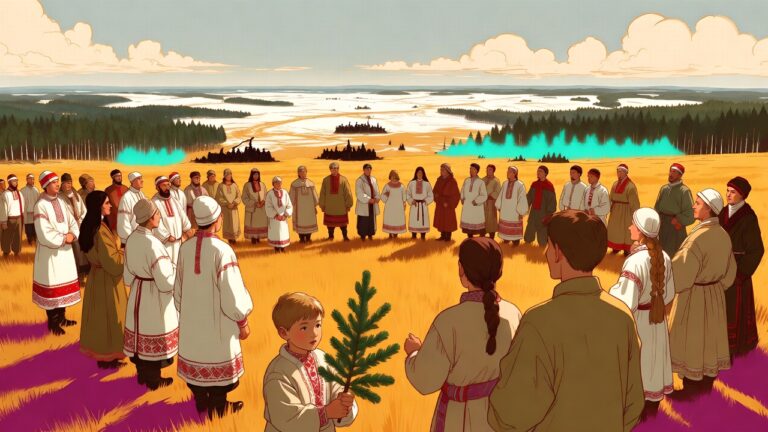
And yet… a snowflake falls on the pine, white and pure after the storm, turquoise like the sky that finally clears above the plains. That is our secret: we have suffered under invasions, purges, dictatorship, but we have kept fighting—in forests, on streets, in silence. For our children we fold no chains, but a question: how do we make this land ours again, how do we let the white-red flag wave free again, how does the snow become white without blood?
January 2026
Manna Ori
#016-EN – Through the Eyes of the Belarusian
Праз вочы беларуса
У ціхіх лясах Белавежскай пушчы, дзе бізоны яшчэ вольна ходзяць і снег ціха пакрывае ўсё, што баліць, хаваецца наша гісторыя. Гісторыя бульбы, што выжывае ў зямлі, песень, што спяваюць зімой, і народа, які з лёду і прыгнёту выкаваў ціхую сілу. Мы, беларусы, дзеці зямлі, што заўсёды стаяла пасярэдзіне — паміж вялікімі дзяржавамі, паміж мінулым і сучаснасцю. Наш бела-чырвона-белы — як адкрытая рана, што не зажывае: белы для снегу, што прабачае, чырвоны для крыві, што мы пралілі і далі праліцца, і палосы, што нас звязваюць, але і раздзяляюць.
Боль пачаўся задолго да дваццатага стагоддзя, як далёкая бура, што павольна набліжаецца. Стагоддзі чужых рук на нашай зямлі: палякі і літоўцы, што нас дзялілі, рускія, што нас анексіравалі, паўстанні 1830 і 1863, што патанулі ў крыві. Кожная сям'я ведала страх: бацькі, што змагаліся ў лясах, маці, што расказвалі гісторыі ўпотай, смак голаду пасля няўдалых ураджаев. Але сапраўдная глыбіня прыйшла ў дваццатым стагоддзі: Вялікая Айчынная вайна, дзе кожны трэці з нас знік. Больш за два мільёны мёртвых — вёскі як Хатынь цалкам знішчаны, дзеці паміралі на марозе, пакуль дамы гарэлі, партызаны змагаліся ў лясах голымі рукамі і сэрцамі, поўнымі агню. Нямецкія акупанты спалілі 5.000 вёсак, дэпартавалі сотні тысяч, і мы заплацілі цану сваёй крывёй. Курапаты, дзе зямля поўная масавых магіл ад сталінскіх чыстак — дзясяткі тысяч расстраляных у патыліцу, пахаваных у цішыні.
З гэтай глыбіні нараджаецца гонар, што ціхі, але глыбокі. Партызаны, што кантралявалі 60 % краіны, што пускалі пад адхон цягнікі і ўзрывалі масты — гэта мы. Селянін, што ахвяраваў свой дом дзеля барацьбы, жанчына, што несла паведамленні ў спадніцы, дрэва, што пасля агню зноў прарастае. Мы адбудаваліся з руін пасля 1945, заводы як МАЗ і БелАЗ дасягнулі свету, і ў 1991 мы абвясцілі незалежнасць у Белавежскай пушчы — момант надзеі, полымя ў снезе. Нашы песні, наша мова, што амаль памерла, але вяртаецца, наш бела-чырвона-белы сцяг, што лунае ў сэрцах многіх.
Але праўда афарбоўваецца магентай, як гноячая рана. Пасля 1994 прыйшоў хватка, што нас душыла: выбары, што краліся, галасы, што ігнараваліся, і ў 2020 вялікая хваля надзеі, што разбілася аб сцены гвалту. Сотні тысяч на вуліцах, сем’і, моладзь, жанчыны з кветкамі — мы спявалі за свабоду, за голас. Потым прыйшлі ночы жніўня: гумовыя кулі, слёзагонны газ, боты, што тапталі твары, целы з сінякамі як адбітак падэшвы. Больш за 30.000 арыштаваных, многія катаваныя ў камерах без ежы і святла, дзясяткі зніклых, целы знойдзеныя з пераломамі костак. Вялікія дзяржавы глядзелі — некаторыя падтрымлівалі, іншыя маўчалі — пакуль наша надзея была раздушана, наш сцяг забаронены, нашы галасы задушаныя.
Тым не менш мы памінаем у цішыні: у лясах, дзе яшчэ адгукаюцца партызаны, у гісторыях, што мы шэптам перадаём дзецям, у Дзень Перамогі 9 мая як абяцанне — ніколі больш генацыд, ніколі больш маўчанне. Мы вучым дзяцей цемру, каб яны яе не паўтарылі. Мы носім бела-чырвона-белы сцяг у сэрцах, нават калі ён забаронены звонку.
І ўсё ж… снежынка падае на сасну, белая і чыстая пасля буры, бірюзовая як неба, што нарэшце праясняецца над раўнінай. Гэта наш сакрэт: мы цярпелі пад уварваннямі, чысткамі, дыктатурай, але працягвалі змагацца — у лясах, на вуліцах, у цішыні. Для нашых дзяцей мы не складаем ланцугоў, а задаём пытанне: як зноў зрабіць гэту зямлю нашай, як дазволіць бела-чырвонаму сцягу зноў свабодна лунаць, як зрабіць снег зноў белым без крыві?
Студзень 2026
Манна Оры
#016-BY – Праз вочы беларуса