
Through the Eyes of the Ethiopian
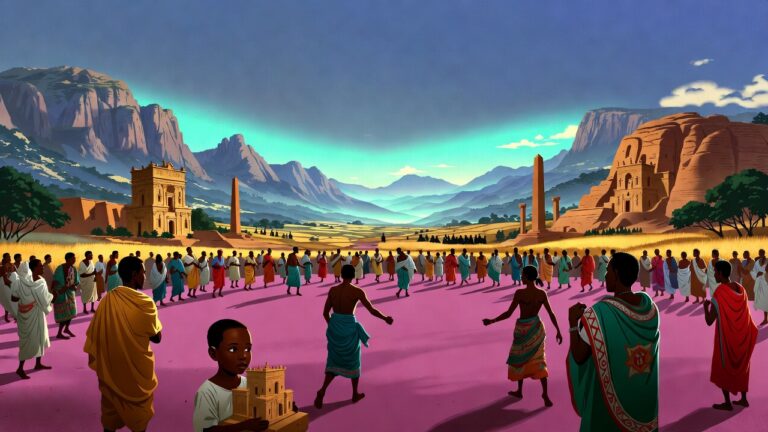
The first thing you hear as morning comes over the highlands of Lalibela is the soft, rhythmic chanting of priestsin a rock-hewn church, mingled with the distant lowing of cattle and the scent of freshly ground coffee slowlybrewed in a jebena. That chanting carries our story back to a time of eternal mountains and divine kings, whenwe lived as the heart of Aksum and later the Christian kingdom of Ethiopia. Our ancestors built obelisks thatseemed to touch the sky, churches carved from rock in Lalibela, palaces in Gondar, castles on the mountains.The Queen of Sheba and King Solomon gave us the Ark of the Covenant, the kings ruled with the Mandate ofGod, the monks wrote manuscripts that the world still preserves. We grew teff and coffee in the fertile highlands,herded cattle that meant wealth, danced eskista with shoulders that told stories. Every family knew the prayers inGe'ez, the feasts of Timkat where everyone baptized in the river, the communities where sharing was normal andrespect for elders was the law. That was our golden time: a land of mountains and churches, where people livedwith heaven as father and earth as mother, never fully colonized, always free in spirit.
But then came the wave from outside, like a cold wind that blew for centuries. The Italians tried to break us atAdwa in 1896 – we defeated them, but in 1935 they returned with poison gas and bombs. The occupation lastedfive years, families torn apart, churches looted. After liberation came Emperor Haile Selassie, then the Dergrevolution in 1974 – Red Terror, famine in the 1980s that killed millions, executions, prisons. Every family knewthe loss: a brother who disappeared, a mother who waited for bread that never came, a child who grew up in theshadow of fear. The smell of smoke, the silence after shots, the emptiness in the villages.
From that depth comes a pride that is ancient and indestructible. The coffee ceremony still served in threerounds, the injera shared by hand, the eskista that lets shoulders speak. Our churches in Lalibela that still stand,our athletes who make the world run, our music from Teddy Afro that touches the soul. We have found our voiceagain: the fall of the Derg, the democracy that grows, the young people who rise for a better country.
Yet the truth colors magenta like a sunset over the Simien Mountains. The scars remain: the famine still inmemory, the conflicts in Tigray and elsewhere, the poverty in the highlands, the young people who emigratebecause the future sometimes feels far away. The outside world buys our coffee and our history as tourism, butoften does not feel the depth of a people that never broke.
Still, we remember in silence: around the jebena where coffee is brewed, during Adwa Victory Day on March 2when we raise our flag, in the churches where chanting still sounds – never forgetting who we were. We tell ourchildren of Aksum and of Menelik, of the mountains and the rivers, so they know: we were connected and strongbefore we were challenged.
And yet… the scent of coffee keeps rising, warm and endless, like a promise floating through the highlands. Thatis our secret: we have suffered under occupations, famine, and struggle, but first we were a land of mountainsand eternity. For our children we build no walls, but a jebena where everyone is welcome. How do we let thatcoffee scent bring hope again for everyone, how does Ethiopia remain a home of timeless strength and unity?
January 2026
Manna Ori
በኢትዮጵያዊ ዓይን
ፀሐይ በላሊበላ ከፍተኛ ቦታዎች ላይ ስትወጣ የመጀመሪያው የምትሰማው በዐለት ቤተ ክርስቲያን ውስጥ የካህናት ለስላሳና ሥርዓተ ዜማ ድምፅ ነው፣ ከርቁ የከብቶች ጩኸትና በጀበና ውስጥ ቀስ ብሎ የሚቀቀል ትኩስ ቡና ሽታ ጋር ተቀላቅሎ። ይህ ዜማ ታሪካችንን ወደ ዘላለማዊ ተራሮችና አምላካዊ ነገሥታት ዘመን ይመልሰናል፣ እኛ የአክሱም ልብና በኋላ የክርስቲያን የኢትዮጵያ መንግሥት ስንሆን። አባቶቻችን ሰማይን የሚነኩ ኦቤሊስኮችን፣ በላሊበላ ከዐለት የተቀረጹ ቤተ ክርስቲያናትን፣ በጎንደር ቤተ መንግሥት፣ በተራሮች ላይ ምሽጎችን ሠሩ። የሼባ ንግሥትና ንጉሥ ሰሎሞን የቃል ኪዳኑን ታቦት ሰጡን፣ ነገሥታት በአምላክ ትእዛዝ ገዙ፣ መነኮሳት ዓለም ዛሬም የምትጠብቃቸውን ጽሑፎች ጻፉ። በከፍተኛ ቦታዎች ትኩስ ቡናና ጤፍ አልማን፣ ከብት አርብቶ የበለጸገ፣ በትከሻ ታሪክ የሚናገሩ ኤስኪስታ ጨፈሩ። እያንዳንዱ ቤተሰብ በግዕዝ ጸሎቶችን፣ በገዛ ወንዝ ውስጥ የሚጠመቁበትን ቲምካት በዓላትን፣ መጋራት የተለመደበትንና ሽማግሌዎችን የሚያከብሩበትን ማህበረሰቦች ያውቅ ነበር። ያ የእኛ ወርቃማ ዘመን ነበር፡ ተራሮችና ቤተ ክርስቲያናት ያለው ምድር፣ ሰዎች ሰማይን አብና ምድርን እናት ብለው የሚኖሩበት፣ በጭራሽ ያልተገዛ፣ በመንፈስ ሁልጊዜ ነፃ የሆነ።
ነገር ግን ከውጭ የመጣው ማዕበል መጣ፣ እንደ ቀዝቃዛ ንፋስ ለዘመናት የሚነፍስ። ጣሊያኖች በ1896 በአድዋ ሊሰብሩን ሞከሩ – አሸንፈናቸው፣ ነገር ግን በ1935 በመርዝ ጋዝና ቦምብ ተመለሱ። የተያዘበት አምስት ዓመታት ነበር፣ ቤተሰቦች ተበተኑ፣ ቤተ ክርስቲያናት ተዘረፉ። ከነፃነት በኋላ ንጉሥ ኃይለ ሥላሴ፣ ከዚያም በ1974 ደርግ አብዮት – ቀይ ሽብር፣ በ1980ዎቹ ሚሊዮኖች የሞቱበት ረሃብ፣ ግድያዎች፣ እስር ቤቶች። እያንዳንዱ ቤተሰብ አንድ ሰው የጠፋውን፣ እናት ዳቦ የማትጠብቀውን፣ በፍርሃት ጥላ ውስጥ ያደገ ልጅ ያውቅ ነበር። የጭስ ሽታ፣ ከጥይት በኋላ የመጣ ጸጥታ፣ በዓዲዎች ውስጥ ባዶነት።
ከዚህ ጥልቀት የመጣ ኩራት ጥንታዊና የማይፈርስ ነው። በሦስት ዙር የሚቀርብ የቡና ሥርዓት፣ በእጅ የሚከፋፈል እንጀራ፣ ትከሻ የሚናገር ኤስኪስታ። በላሊበላ የሚቆሙ ቤተ ክርስቲያናታችን፣ ዓለምን የሚያሮጡ አትሌቶቻችን፣ ነፍስን የሚነካ የቴዲ አፍሮ ሙዚቃ። ድምፃችንን እንደገና አገኘን፡ የደርግ መውደቅ፣ የሚያድግ ዴሞክራሲ፣ ለተሻለ ሀገር የሚነሱ ወጣቶች።
ነገር ግን እውነት በሲሚየን ተራሮች ላይ እንደ ፀሐይ መጥለቅ ማጀንታ ይሆናል። ጠባሳዎች ይቀራሉ፡ በትውስታ ውስጥ ያለው ረሃብ፣ በትግራይና በሌሎች ቦታዎች ያሉ ግጭቶች፣ በከፍተኛ ቦታዎች ያለው ድህነት፣ ለወደፊት ርቆ ስለሚመስል የሚሰደዱ ወጣቶች። ውጫዊው ዓለም ቡናችንንና ታሪካችንን እንደ ቱሪዝም ይገዛል፣ ነገር ግን የማይፈርስ ሕዝብ ጥልቀትን ብዙውን ጊዜ አይሰማውም።
ነገር ግን በጸጥታ እናስታውሳለን፡ ቡና በጀበና የሚቀቀልበት፣ በአድዋ ድል ቀን መጋቢት 2 ቀን ባንዴራችንን ስናነሳ፣ በቤተ ክርስቲያናት ዜማ የሚንጎራጎርበት – ማን እንደነበርን በፍጹም አንረሳም። ለልጆቻችን አክሱምንና መንሊክን፣ ተራሮችንና ወንዞችን እንነግራቸዋለን፣ እንዲያውቁ፡ ተፈተን ከመጀመራችን በፊት ተገናኝተን ጠንካራ ነበርን።
ነገር ግን… የቡናው ሽታ ይወጣል፣ ሞቅ ያለና ዘላለማዊ፣ በከፍተኛ ቦታዎች የሚንሳፈፍ ተስፋ። ይህ ምስጢራችን ነው፡ በአገራችን ላይ ተጭነን፣ ረሃብና ተጋድሎ ተቀብለን፣ ነገር ግን ቀዳሚ ተራሮችና ዘላለም ያለው ምድር ነበርን። ለልጆቻችን ግድግዳ አንሠራም፣ ነገር ግን ሁሉም የሚቀበልበት ጀበና። ይህን የቡና ሽታ እንደገና ተስፋ ለሁሉም እንዴት እናመጣው፣ ኢትዮጵያ የዘላለማዊ ኃይልና አንድነት ቤት እንዴት ትቀጥላለች?
ጥር 2026
ማና ኦሪ