
Through the Eyes of the Georgian
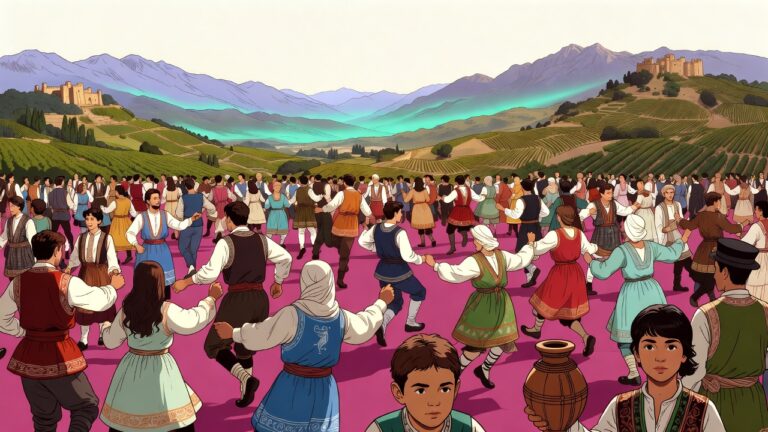
The first thing you hear as morning breaks over the Caucasus is the soft, deep sound of a panduri striking onestring, mingled with the distant call of an eagle and the scent of freshly baked khachapuri drifting from a tandooroven. That string sound carries our story back to a time of mountains and wine, when we as Georgians lived inthis land we called Sakartvelo. Our ancestors built monasteries carved from rock in Mtskheta, castles onmountain peaks, cities like Tbilisi where ancient walls still whisper. They grew grapes on terraces that made theslopes bloom, made wine in qvevri thousands of years old, danced the khorumi with swords that cut the wind.Every family knew the toasts at the supra, where the tamada touches the soul with words, the stories of QueenTamar who ruled like a lion, the polyphony that makes the mountains sing. That was our golden time: a land ofmountains and vineyards, where people lived with the Caucasus as father and wine as blood, connected by songand hospitality.
But then came the wave from outside, like a storm rising from the steppes. The Persians, Arabs, Mongols,Ottomans, Russians – all seized our land, tried to break us. The Russian annexation in 1801, the Soviet yearswith Stalin who was our own but oppressed us too, independence in 1991 followed by wars in Abkhazia andSouth Ossetia. Every family knew the loss: a grandfather who fought in the nineties, a brother who disappearedin the conflicts, a home now on the other side of the border. The smell of smoke, the silence after explosions, theemptiness in the villages.
From that depth rises a pride that is deep and warm. The qvevri wine still made as thousands of years ago, thekhachapuri shared with love, the polyphony that touches the soul. Our dances that make the mountains tremble,our literature of Shota Rustaveli, our people who laugh through pain. We have found our voice again: the RoseRevolution in 2003, the youth rising up, the hope for unity.
Yet the truth colours magenta like a sunset over the Caucasus. The scars remain: the occupied territories, theemigration of youth, poverty in the mountain villages, the pressure from big neighbours. The outside world buysour wine and our hospitality, but often does not see the pain of separation, the struggle for wholeness.
Still, we remember in silence: around the table where toasts are spoken, on Independence Day the 26th of Maywhen we raise our flag, in the monasteries where chanting still echoes – never forgetting who we were. We tellour children of Tamar and of Rustaveli, of the mountains and the wine, so they know: we were connected andstrong before we were challenged.
And yet… the panduri continues, soft and deep, like a promise that floats over the mountains. That is our secret:we have suffered under occupations, wars and division, but first we were a land of wine and song. For ourchildren we build no walls, but a supra table where everyone is welcome. How do we let that string sound bringunity to all once more, how does Georgia remain a home of warmth and resilience?
January 2026
Manna Ori
ქართველის თვალით
პირველი რაც ისმის, როდესაც დილა იწყება კავკასიაზე, არის პანდურის რბილი, ღრმა ხმა, რომელიც ერთ სიმს უკრავს, შერეული შორეული არწივის კივილთან და ხაჭაპურის სუნთან, რომელიც ტანდურ-ღუმელიდან მოდის. ეს სიმის ხმა ჩვენს ამბავს უბრუნებს მთებისა და ღვინის დროს, როდესაც ჩვენ ქართველები ვცხოვრობდით ამ მიწაზე, რომელსაც საქართველო ვუწოდებდით. ჩვენი წინაპრები აშენებდნენ მონასტრებს კლდეებში მცხეთაში, ციხეებს მთის წვერებზე, ქალაქებს როგორიცაა თბილისი, სადაც ძველი კედლები ჯერ კიდევ ჩურჩულებენ. ისინი ზრდიდნენ ყურძენს ტერასებზე, რომლებიც ფერდობებს ყვავილობდნენ, ღვინოს აკეთებდნენ კვევრებში, რომლებიც ათასობით წლისაა, ცეკვავდნენ ხორუმს ხმლებით, რომლებიც ქარს ჭრიან. ყოველმა ოჯახმა იცოდა ტოსტები სუფრაზე, სადაც თამადა სიტყვებით სულს ეხება, თამარ დედოფლის ამბები, რომელიც ლომივით მართავდა, პოლიფონია, რომელიც მთებს აგალობინებს. ეს იყო ჩვენი ოქროს ხანა: მთებისა და ვენახების ქვეყანა, სადაც ხალხი ცხოვრობდა კავკასიას მამად და ღვინოს სისხლად, დაკავშირებული სიმღერითა და სტუმართმოყვარეობით.
მაგრამ მერე მოვიდა გარედან მომავალი ტალღა, როგორც ქარიშხალი, რომელიც სტეპებიდან ადიოდა. სპარსელები, არაბები, მონღოლები, ოსმალები, რუსები – ყველამ შეიპყრო ჩვენი მიწა, სცადეს ჩვენი გატეხვა. რუსეთის ანექსია 1801-ში, საბჭოთა წლები სტალინით, რომელიც ჩვენივე იყო მაგრამ ჩვენც დაგვთრგუნა, დამოუკიდებლობა 1991-ში, რომელსაც მოჰყვა ომები აფხაზეთსა და სამხრეთ ოსეთში. ყოველმა ოჯახმა იცოდა დანაკარგი: ბაბუა, რომელიც 90-იანებში იბრძოდა, ძმა, რომელიც კონფლიქტებში გაუჩინარდა, სახლი, რომელიც საზღვრის მეორე მხარეს დარჩა. კვამლის სუნი, აფეთქებების შემდეგი სიჩუმე, სიცარიელე სოფლებში.
ამ სიღრმიდან იზრდება სიამაყე, რომელიც ღრმა და თბილია. კვევრის ღვინო, რომელიც კვლავ ათასობით წლის წინანდელივით მზადდება, ხაჭაპური, რომელიც სიყვარულით იზიარება, პოლიფონია, რომელიც სულს ეხება. ჩვენი ცეკვები, რომლებიც მთებს არხევენ, ჩვენი ლიტერატურა შოთა რუსთაველის, ჩვენი ხალხი, რომელიც ტკივილში იღიმის. ჩვენ კვლავ ვიპოვეთ ჩვენი ხმა: ვარდების რევოლუცია 2003-ში, ახალგაზრდები, რომლებიც იზრდებიან, იმედი ერთიანობის.
მაგრამ სიმართლე მაგენტად იღებება, როგორც მზის ჩასვლა კავკასიაზე. ნაწიბურები რჩება: ოკუპირებული ტერიტორიები, ახალგაზრდების ემიგრაცია, სიღარიბე მთის სოფლებში, დიდი მეზობლების ზეწოლა. გარე სამყარო ყიდულობს ჩვენს ღვინოს და სტუმართმოყვარეობას, მაგრამ ხშირად არ ხედავს განშორების ტკივილს, მთლიანობისთვის ბრძოლას.
მაინც ვიხსენებთ სიჩუმეში: მაგიდასთან, სადაც ტოსტები ისმის, დამოუკიდებლობის დღეს 26 მაისს, როდესაც დროშას ვუშვებთ, მონასტრებში, სადაც საგალობელი ჯერ კიდევ ისმის – არასდროს დავივიწყებთ ვინ ვიყავით. ჩვენ ვუყვებით ჩვენს შვილებს თამარისა და რუსთაველის ამბებს, მთებისა და ღვინის, რათა იცოდნენ: ჩვენ ვიყავით დაკავშირებულნი და ძლიერნი სანამ გამოცდილ იქნებოდით.
და მაინც… პანდური გრძელდება, რბილად და ღრმად, როგორც დაპირება, რომელიც მთებზე მიცურავს. ეს ჩვენი საიდუმლოა: ჩვენ ვითმენდით ოკუპაციებს, ომებს და განშორებას, მაგრამ ჯერ ვიყავით ღვინისა და სიმღერის ქვეყანა. ჩვენს შვილებს არ ვაშენებთ კედლებს, არამედ სუფრას, სადაც ყველა მისასალმებელია. როგორ გავუშვათ ეს სიმის ხმა კვლავ ერთიანობა მოუტანოს ყველას, როგორ დარჩეს საქართველო სითბოსა და გამძლეობის სახლი?
იანვარი 2026 მანა ორი