
Through the Eyes of the Guyanese
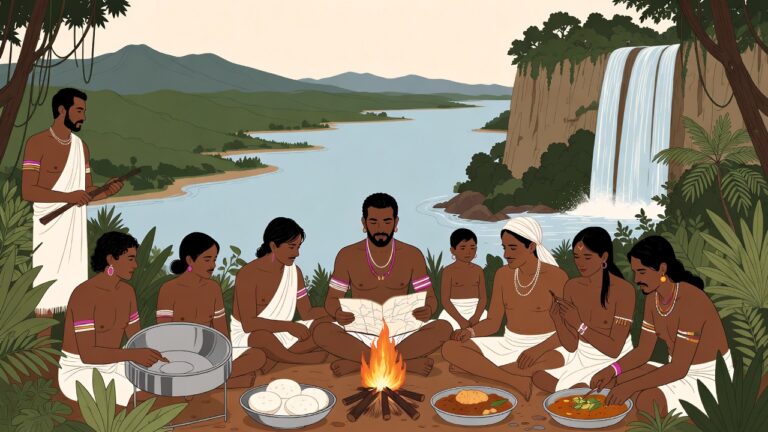
The first thing you hear as morning breaks over the Essequibo River is the soft, rhythmic sound of a steelpan striking one note, mingled with the distant call of a macaw in the jungle and the scent of freshly cooked roti and curry drifting from a nearby house. That steel sound carries our story back to a time of jungle and rivers, when we as the Arawak, Carib, Warao, Akawaio and other indigenous peoples lived in this land we called Guayana. Our ancestors built villages on stilts along the rivers, fished with nets in broad streams, grew cassava and fruit in fertile soil. The Arawak knew their sacred places and knowledge of nature, the Carib their canoes that mastered the seas, the Warao their homes in the delta. Every family knew the stories of the forest spirits, the dances around the fire that filled the night with rhythm, the communities where sharing was natural and respect for the elders was law. That was our golden time: a land of rainforests and rivers, where people lived in harmony with the jungle as mother and the sea as father, connected by stories and respect.
But then came the wave from outside, like a storm rising from the Atlantic Ocean. The Dutch, French and British colonised us in the 17th century, made us a plantation colony of sugar and coffee. Slaves were shipped from Africa, their backs broken under the sun, their spirits smothered but never killed. Every family knew the loss: an ancestor who came in chains, a language that had to survive in secret, a culture that blended to endure. Independence in 1966 brought hope, but also tensions: civil unrest, Burnham's dictatorship, the emigration of many. Every family knew the unrest, the silence in the villages, the emptiness at the table.
From that depth rises a pride that is warm and rhythmic. The steelpan that still rings in the pan yards, the calypso that fills the streets, the roti shared with love. Our bauxite that builds the world, our rum that warms the soul, our people who laugh through hardships. We have found our voice again: the democracy that grows, the youth rising up, the nature we protect in the Rupununi.
Yet the truth colours magenta like a sunset over Kaieteur Falls. The scars remain: poverty in the interior, tensions between communities, the emigration of youth, the pressure of climate change on our coast. The outside world buys our bauxite and our rum, but often does not see the pain of slavery, the struggle for justice.
Still, we remember in silence: around the steelpan where music is made, on Independence Day the 26th of May when we raise our flag, in the jungle where the spirits still speak – never forgetting who we were. We tell our children of the Arawak and of Burnham, of the rivers and the forests, so they know: we were connected and strong before we were challenged.
And yet… the steelpan continues, clear and rhythmic, like a promise that floats over the river. That is our secret: we have suffered under colonisation, slavery and unrest, but first we were a land of jungle and sea. For our children we build no walls, but a pan yard where everyone may join in playing. How do we let that steel sound bring hope to all once more, how does Guyana remain a home of rhythm and unity?
January 2026
Manna Ori
Tru di Eyes a di Guyanese
Di first ting yuh hear wen mawnin break ova di Essequibo Riva is di soft, rhythmic soun a one steelpan strike one note, mix up wid di far kawl a one macaw inna di bush an di smell a fresh cook roti an curry driftin from a nearby house. Dat steel soun carry we story back to a time a bush an riva, wen we as di Arawak, Carib, Warao, Akawaio an oda indigenous people dem live pon dis land we call Guayana. We ancestor dem build village pon stilt along di riva dem, fish wid net inna di wide stream, plant cassava an fruit inna di rich dirt. Di Arawak know dem sacred place an dem nature knowledge, di Carib dem canoe weh master di sea, di Warao dem house inna di delta. Evry family bin know di story a di bush spirit, di dance roun di fire weh fill di night wid rhythm, di community weh sharin normal an respect fa di olda dem de law. Dat bin we golden time: a land a rain forest an riva, weh people live inna harmony wid di bush as muma an di sea as fada, connect by story an respect.
Bot den di wave from outside come, like a storm rise up from di Atlantic Ocean. Di Dutch, French an British colonise we inna di 17th century, mek we a plantation colony a sugar an coffee. Slave dem ship from Africa, dem back break unda di sun, dem spirit smother bot nevah kill. Evry family bin know di loss: one ancestor come inna chain, one language haffi survive inna secret, one culture haffi mix up fi stay alive. Independence inna 1966 bring hope, bot also tension: civil unrest, Burnham dictatorship, di emigration a plenty. Evry family bin know di unrest, di silence inna di village, di emptiness at di table.
From dat depth a pride rise weh warm an rhythmic. Di steelpan weh still ring inna di pan yard, di calypso weh fill di street, di roti share wid love. We bauxite weh build di worl, we rum weh warm di soul, we people weh laugh tru hardship. We done fine we voice again: di democracy growin, di yute rise up, di nature we protect inna di Rupununi.
Yet di truth colour magenta like sunset ova Kaieteur Falls. Di scar dem stay: poverty inna di interior, tension between community, di yute dem migrate, di pressure a climate change pon we coast. Di outside worl buy we bauxite an we rum, bot often nah see di pain a slavery, di struggle fa justice.
Still, we remember inna silence: roun di steelpan weh music mek, pon Independence Day di 26 May wen we raise we flag, inna di bush weh di spirit still talk – nevah forget who we bin. We tell we pickney dem bout di Arawak an Burnham, bout di riva an di forest, so dem know: we bin connect an strong before dem challenge we.
An yet… di steelpan continue, clear an rhythmic, like a promise float ova di riva. Dat is we secret: we suffer unda colonisation, slavery an unrest, bot first we bin a land a bush an sea. Fa we pickney we nah build wall, bot a pan yard weh evrybody could join di play. How we leh dat steel soun bring hope back to all again, how Guyana stay a home a rhythm an unity?
January 2026
Manna Ori