
Through the Eyes of the Iranian
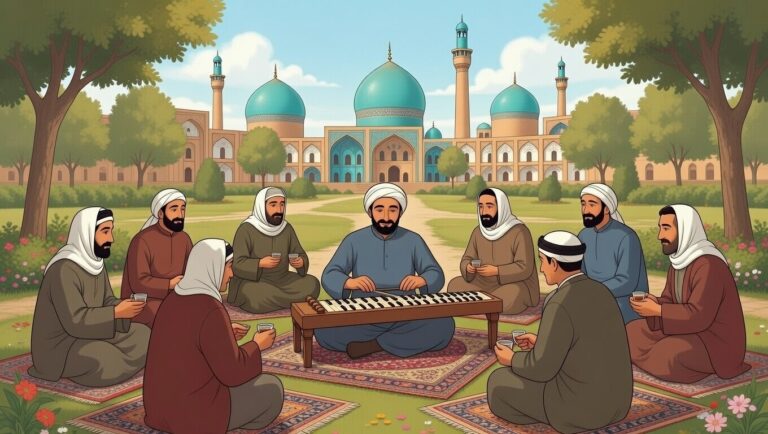
The first thing you hear as morning breaks over Isfahan is the soft, melodic sound of a santur striking a single string, blending with the distant call of a muezzin and the scent of freshly baked barbari bread and saffron tea drifting from a nearby house. That string carries our story back to a time of gardens and wisdom, when we lived as the heart of Persia. Our ancestors built Persepolis with pillars that seemed to hold up the sky, the gardens of Pasargadae where water and flowers sang in harmony, cities like Isfahan with mosques of turquoise tiles reflecting the sun. The Achaemenids ruled with justice; Cyrus allowed the Jews to return, Darius connected the empire with roads and post. We lived in harmony with the desert as mother and the mountains as father: poets like Hafez and Rumi who touched the soul, scientists like Avicenna who illuminated the world, celebrations of Nowruz where families leaped over fires and welcomed the new year. Every family knew the tales of Rostam and Sohrab, the poetry read by the fire, the communities where hospitality was law. That was our golden time: a land of gardens, poetry, and wisdom, where people lived with the wind as brother and history as guide, bound by beauty and reason.
But then came the wave from outside, like a storm rising from the past. The Greeks under Alexander, the Arabs, the Mongols, the Safavids, the Qajar dynasty—they all seized our land, plundered our treasures, tried to break us. The British and Russians carved us up in the 19th century; the 1953 coup against Mossadegh brought back the Shah and oil to the West. Every family knew the loss: a grandfather who fought in uprisings, a child who learned that freedom was forbidden, a culture that had to hold on in secret. The Islamic Revolution of 1979 brought hope to many, but also war with Iraq, executions, oppression. Every family knew the fear, the disappearances, the emptiness in the streets of Tehran.
From that depth rises a pride that is deep and poetic. The santur that still plays ragas, the carpets knotted by hand, the saffron that perfumes the world. Our poetry of Hafez and Saadi that touches the soul, our cinema of Kiarostami and Farhadi that makes the world think, our people who laugh through pain. We have found our voice again: the women who rise, the youth who dream of a better land, the hope that never dies.
Yet the truth colors magenta like a sunset over the Dasht-e Kavir desert. The scars remain: sanctions that strike the people, oppression that sometimes returns, the emigration of the young, the memory of wars. The outside world buys our oil and our carpets, but often does not feel the depth of a people that never broke.
Still, we remember in silence: around the sofreh where Nowruz is celebrated, on the 21st of March when we welcome the new year, in the gardens where the spirits still speak—we never forget who we were. We tell our children of Cyrus and of Hafez, of the mountains and the rivers, so they know: we were connected and strong before we were challenged.
And yet… the santur continues, soft and deep, like a promise floating over the gardens. That is our secret: we have suffered under occupations, revolutions, and sanctions, but first we were a land of gardens and poetry. For our children we build no walls, but a garden where everyone may bloom. How do we let that string sound bring hope to everyone again? How does Iran remain a home of light and wisdom?
January 2026
Manna Ori
۰. از چشمان ایرانی
نخستین چیزی که با طلوع صبح بر اصفهان میشنوی، صدای نرم و ملودیک سنتور است که تنها یک سیم را مینوازد، درهمآمیخته با بانگ دور اذانگوی مأذنه و بوی نان بربری تازهپز و چای زعفرانی که از خانهای همسایه برمیخیزد. آن صدای سیم، داستان ما را به زمانی از باغها و حکمت بازمیگرداند، زمانی که ما چون قلب پارس زندگی میکردیم. نیاکان ما پرسپولیس را با ستونهایی ساختند که گویی آسمان را بر دوش میکشیدند، باغهای پاسارگاد را جایی که آب و گلها آواز همآوایی میخواندند، شهرهایی چون اصفهان با مسجدهایی از کاشیهای فیروزهای که خورشید را بازمیتاباندند. هخامنشیان با عدالت حکومت کردند؛ کوروش به یهودیان اجازه بازگشت داد، داریوش امپراتوری را با جادهها و پست به هم پیوند زد. ما در هماهنگی با کویر بهمثابه مادر و کوهها بهمثابه پدر زیستیم: شاعرانی چون حافظ و مولانا که روح را لمس میکردند، دانشمندانی چون ابنسینا که جهان را روشن ساختند، جشنهای نوروز که خانوادهها از روی آتش میپریدند و سال نو را خوشامد میگفتند. هر خانواده داستانهای رستم و سهراب را میدانست، شعرهایی که کنار آتش خوانده میشد، جوامعی که مهماننوازی قانونشان بود. آن دوران طلایی ما بود: سرزمینی از باغها، شعر و حکمت، جایی که مردم با باد چون برادر و تاریخ چون راهنما زندگی میکردند، پیوندخورده با زیبایی و عقل.
اما سپس موجی از بیرون آمد، چون طوفانی که از گذشته برمیخواست. یونانیان به رهبری اسکندر، عربها، مغولها، صفویان، قاجاریان – همه این سرزمین را غصب کردند، گنجینههایمان را غارت نمودند، کوشیدند ما را بشکنند. بریتانیاییها و روسها در قرن نوزدهم ما را تکهتکه کردند؛ کودتای ۱۹۵۳ علیه مصدق، شاه را بازگرداند و نفت را به غرب سپرد. هر خانواده فقدان را میشناخت: پدربزرگی که در قیامها جنگید، کودکی که آموخت آزادی ممنوع است، فرهنگی که ناچار در پنهان نگه داشته شود. انقلاب اسلامی ۱۹۷۹ برای بسیاری امید آورد، اما جنگ با عراق، اعدامها، سرکوب را نیز به همراه داشت. هر خانواده ترس را، ناپدیدشدنها را، خالی بودن خیابانهای تهران را میدانست.
از آن عمق، غروری عمیق و شاعرانه برمیخیزد. سنتوری که هنوز راگاها را مینوازد، فرشهایی که دستباف میشوند، زعفرانی که جهان را معطر میکند. شعر حافظ و سعدی ما که روح را لمس میکند، سینمای کیارستمی و فرهادی ما که جهان را به اندیشیدن وامیدارد، مردمی ما که از دل درد میخندند. ما صدای خود را بازیافتهایم: زنانی که برمیخیزند، جوانانی که رویای سرزمینی بهتر را میبینند، امیدی که هرگز نمیمیرد.
اما حقیقت چون غروبی ماژنتایی بر کویر دشت کویر رنگ میگیرد. زخمها باقی میمانند: تحریمهایی که مردم را میزنند، سرکوبی که گاه بازمیگردد، مهاجرت جوانان، خاطره جنگها. جهان بیرون نفت و فرشهای ما را میخرد، اما اغلب عمق مردمی را که هرگز نشکست حس نمیکند.
با این حال، در سکوت یاد میکنیم: گرد سفرهای که نوروز در آن جشن گرفته میشود، در نوروزِ ۲۱ مارس هنگامی که سال نو را خوشامد میگوییم، در باغهایی که ارواح هنوز سخن میگویند – هرگز فراموش نمیکنیم که چه کسی بودیم. به فرزندانمان از کوروش و حافظ میگوییم، از کوهها و رودها، تا بدانند: ما پیش از آنکه به چالش کشیده شویم، پیوندخورده و قوی بودیم.
و با این حال… سنتور ادامه میدهد، نرم و عمیق، چون وعدهای که بر فراز باغها شناور است. این راز ماست: ما زیر اشغالها، انقلابها و تحریمها رنج بردیم، اما نخست سرزمینی از باغها و شعر بودیم. برای فرزندانمان دیوار نمیسازیم، بلکه باغی که همه در آن شکوفا شوند. چگونه بگذاریم آن صدای سیم دوباره امید را برای همه بیاورد؟ چگونه ایران خانهای از نور و حکمت بماند؟
ژانویه ۲۰۲۶
مانا اوری