
Through the Eyes of the Latvian
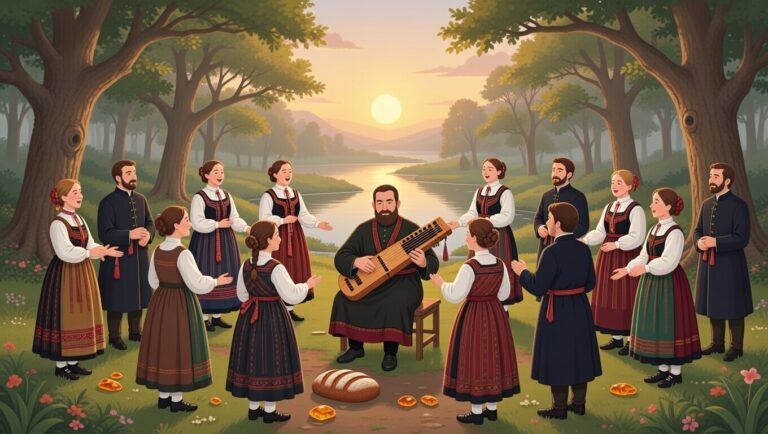
The first thing you hear as morning arrives over Riga is the soft, deep sound of a kokle striking one string, mingled with the distant murmur of the Daugava River and the scent of fresh black rye bread and smoked fish drifting from a nearby home. That string-sound carries our story back to a time of forests and amber, when we, as the Latvians, lived in this land we call Latvija. Our ancestors built wooden churches and fortresses along the rivers, grew rye and flax in fertile soil, fished in the Baltic Sea, and honored the spirits of nature in sacred oak groves. They lived in harmony with the forests as mother and the sea as father: bards who sang dainas—short folk songs full of wisdom and nature—weavers who made linen with patterns that told stories, communities where the council of elders decided and the bond was stronger than time. Every family knew the Jāņi festivals where fire was jumped over, the tales of Lāčplēsis the bear who protected the people, the unity that endured through centuries. That was our golden time: a land of forests, lakes, and amber, where people lived with nature as guide and silence as friend, free and connected through song and land.
But then came the wave from outside, like a cold wind that blew for centuries. The Germans, the Swedes, the Russians—all seized our land, tried to break us. The German crusades in the 13th century, the Baltic nobility that kept us as serfs for centuries, the Russian tsars who annexed us in 1710. Independence in 1918 brought hope, but in 1940 came the Soviets, then the Nazis, then the Soviets again—deportations to Siberia, tens of thousands vanished, families torn apart. Every family knew the loss: a grandfather who fought in the war, a grandmother who survived in Siberia, a child who learned that freedom was forbidden. The smell of smoke, the silence after trains, the emptiness in the villages.
From that depth rises a pride that is quiet and deep. The kokle that still plays dainas, the black rye bread baked with love, the amber the sea gives us. Our literature of Rainis and Aspazija, our song choirs that let the world hear how strong we are, our people who keep singing through pain. We have found our voice again: the Singing Revolution in 1987–91, where we sang our independence without weapons, the freedom we regained in 1991.
Yet the truth colors magenta like a sunset over the Daugava. The scars remain: the memory of deportations, the emigration of youth, the pressure of a rapidly changing world on a small land. The outside world often looks without feeling—they see Riga as a fairy-tale city, but not the silent strength beneath.
Still, we remember in silence: on the squares where choirs sing, during Independence Day on 18 November when we raise our flag, in the forests where spirits still speak—never forgetting who we were. We tell our children of Lāčplēsis and of the Singing Revolution, of the river and the forests, so they know: we were connected and strong before we were challenged.
And yet… the kokle continues, soft and deep, like a promise that floats over the forests. That is our secret: we have suffered under occupations, deportations, and silence, but we were first a land of song and nature. For our children we build no walls, but a singing circle where everyone may join in song. How do we let that string-sound bring freedom to everyone again, how does Latvia remain a home of silence and song?
January 2026
Manna Ori
Caur latvieša acīm
Pirmais, ko tu dzirdi, kad rīts nāk pār Rīgu, ir maigā, dziļā kokles skaņa, kad viena stīga tiek pieskāriena, sajaukta ar Daugavas upes tālo murmulošanu un svaigās melnās rudzu maizes un kūpinātās zivs smaržu, kas plūst no kaimiņu mājas. Tā stīgu skaņa nes mūsu stāstu atpakaļ uz mežu un dzintara laiku, kad mēs, latvieši, dzīvojām šajā zemē, ko mēs saucām Latvija. Mūsu senči cēla koka baznīcas un pilis gar upēm, audzēja rudzus un linus auglīgā augsnē, zvejoja Baltijas jūrā un godāja dabas garus svētajās ozolu birzīs. Viņi dzīvoja saskaņā ar mežiem kā māti un jūru kā tēvu: bardi dziedāja dainas — īsus tautasdziesmas pilnas ar gudrību un dabu —, audēji auž linu ar rakstiem, kas stāstīja stāstus, kopienas, kur vecāko padome lēma un saikne bija stiprāka par laiku. Katra ģimene zināja Jāņu svētkus, kur pār uguni lēca, Lāčplēša lāča pasakas, kas sargāja tautu, vienotību, kas pārdzīvoja gadsimtus. Tas bija mūsu zelta laiks: zeme mežu, ezeru un dzintara, kur cilvēki dzīvoja ar dabu kā vadītāju un klusumu kā draugu, brīvi un saistīti ar dziesmu un zemi.
Bet tad nāca vilnis no ārpuses, kā auksts vējš, kas pūta gadsimtiem. Vācieši, zviedri, krievi — visi sagrāba mūsu zemi, mēģināja mūs salauzt. Vācu krusta kari 13. gadsimtā, Baltijas muižniecība, kas mūs gadsimtiem turēja kā dzimtcilvēkus, krievu cari, kas mūs anektēja 1710. gadā. Neatkarība 1918. gadā nesa cerību, bet 1940. gadā nāca padomji, tad nacisti, tad atkal padomji — deportācijas uz Sibīriju, desmitiem tūkstošu pazuda, ģimenes saplēstas. Katra ģimene zināja zaudējumu: vectēvs, kas cīnījās karā, vecmāmiņa, kas izdzīvoja Sibīrijā, bērns, kas mācījās, ka brīvība ir aizliegta. Dūmu smaka, klusums pēc vilcieniem, tukšums ciemos.
No tā dziļuma ceļas lepnums, kas ir kluss un dziļš. Kokle, kas joprojām spēlē dainas, melnā rudzu maize, kas cepta ar mīlestību, dzintars, ko jūra dod. Mūsu Rainis un Aspazija literatūra, mūsu dziesmu kori, kas ļauj pasaulei dzirdēt, cik stipri mēs esam, mūsu cilvēki, kas caur sāpēm turpina dziedāt. Mēs atkal atradām savu balsi: Dziesmotā revolūcija 1987.–91. gadā, kur mēs ar dziesmām izdziedājām neatkarību bez ieročiem, brīvība, ko atguvām 1991. gadā.
Tomēr patiesība krāsojas magenta kā saulriets pār Daugavu. Rētas paliek: deportāciju atmiņa, jauniešu emigrācija, ātri mainīgās pasaules spiediens uz mazu zemi. Ārpasaule bieži skatās bez sajūtas — viņi redz Rīgu kā pasaku pilsētu, bet ne kluso spēku zem tās.
Tomēr mēs klusumā atceramies: laukumos, kur dzied kori, Neatkarības dienā 18. novembrī, kad ceļam karogu, mežos, kur gari vēl runā — nekad neaizmirstam, kas mēs bijām. Mēs stāstām bērniem par Lāčplēsi un Dziesmoto revolūciju, par upi un mežiem, lai viņi zina: mēs bijām saistīti un stipri, pirms mūs pārbaudīja.
Un tomēr… kokle turpina, maigi un dziļi, kā solījums, kas peld pār mežiem. Tas ir mūsu noslēpums: mēs cietām zem okupācijām, deportācijām un klusēšanas, bet mēs bijām pirmie dziesmas un dabas zeme. Saviem bērniem mēs neceļam sienas, bet dziesmu apli, kur visi var pievienoties dziedāšanai. Kā mēs ļausim tai stīgu skaņai atkal nest brīvību visiem, kā Latvija paliek klusuma un dziesmas mājas?
gada janvāris
Manna Ori