
Through the Eyes of the Palestinian
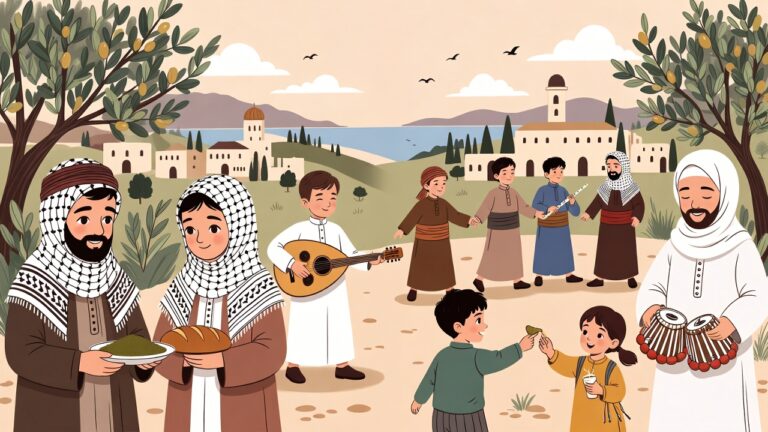
The first sound you hear as morning arrives over Jerusalem is the soft, persistent call of a muezzin rising fromAl-Aqsa, mingled with the distant tolling of church bells and the scent of fresh za'atar and warm bread driftingfrom a nearby home. That call carries our story back to a time of olive trees and hills, when we lived as thepeople of Palestine. Our ancestors built homes of stone in Nablus and Hebron, grew olives and grapes in fertilevalleys, honored the spirits of the earth and ancestors in ceremonies along the coast. The villages lived inharmony with olive trees as mother and hills as father: families harvesting together, telling stories under thetrees, communities where hospitality was sacred and the bond stronger than borders. Every family knew thefeasts of Eid and Christmas celebrated side by side, the dabke songs that filled the night with rhythm, the pride inland worked for generations. That was our golden time: a land of olive trees, sea, and mountains, where peoplelived with the earth as guide and family as law, connected by harvest and memory.
But then came the wave from outside, like a storm rising from the west. The British promised in the 1917 BalfourDeclaration a home for another people on our land, and in 1948 the state of Israel was declared – for us theNakba: 750,000 driven out, villages destroyed, families separated forever. Wars followed in 1967 and 1973,occupation of the West Bank and Gaza, settlements taking land, checkpoints locking lives. Every family knew theloss: a grandfather who lost his home, a brother who disappeared into prison, a child who grew up behind wallsand barbed wire. The smell of smoke, the silence after shots, the emptiness in the streets of Jenin and Gaza.
From that depth rises a pride that is deep and resilient. The dabke still danced at weddings, the za'atar eatenwith love, the olive trees that stand despite everything. Our people laughing through pain, our youth rising for abetter land, our bond stronger than occupation. We have found our voice again: hope growing in the villages,unity that never dies.
Yet the truth colors magenta like a sunset over the olive trees of Bethlehem. The scars remain: the occupationthat continues, walls that divide, arrests, settlements, pain passed through generations. The outside world oftenlooks with judgment – they see one side, but rarely feel the depth of both.
Still, we remember in silence: around the table where za'atar is shared, during Nakba Day on 15 May when wehold our keys, in the olive trees where the spirits still speak – never forgetting who we were. We tell our childrenof the old villages and of the hope of return, of the hills and the sea, so they know: we were connected andstrong before we were challenged.
And yet… the dabke continues, warm and rhythmic, like a heartbeat that never falls silent. That is our secret: wehave suffered under displacement, occupation, and pain, but first we were a land of olive trees and connection.For our children we build no walls, but an olive grove where everyone may harvest. How do we let that dabkerhythm bring hope to everyone again? How does this land become a home of justice and peace for all?
January 2026
Manna Ori
من عيون الفلسطيني
أول صوت تسمعُه عندما يأتي الصباح على القدس هو النداء الناعم والمستمر للمؤذن الذي يرتفع من المسجد الأقصى، ممزوجاً بصوت أجراس الكنائس البعيدة ورائحة الزعتر الطازج والخبز الدافئ التي تتسرب من منزل قريب. هذا النداء يحمل قصتنا إلى زمن أشجار الزيتون والتلال، عندما كنا نعيش كشعب فلسطين. أجدادنا بنوا بيوتاً من الحجر في نابلس والخليل، زرعوا الزيتون والعنب في الوديان الخصبة، كرموا أرواح الأرض والأجداد في طقوس على الساحل. القرى عاشت في انسجام مع أشجار الزيتون أماً والتلال أباً: عائلات تحصد معاً، تحكي قصصاً تحت الأشجار، مجتمعات حيث الضيافة مقدسة والرابطة أقوى من الحدود. كل عائلة عرفت أعياد العيد والكريسماس التي تُحتفل جنباً إلى جنب، أغاني الدبكة التي تملأ الليل بالإيقاع، الفخر بالأرض التي عملتها الأجيال. كان ذلك عصرنا الذهبي: أرض زيتون وبحر وجبال، يعيش الناس مع الأرض دليلاً والعائلة قانوناً، مترابطين بالحصاد والذاكرة.
لكن ثم جاءت الموجة من الخارج، كعاصفة تنبعث من الغرب. البريطانيون وعدوا في إعلان بلفور 1917 بوطن لشعب آخر على أرضنا، وفي 1948 أُعلنت دولة إسرائيل – بالنسبة لنا النكبة: 750,000 طُردوا، قرى دُمرت، عائلات فُصلت إلى الأبد. الحروب تلت في 1967 و1973، احتلال الضفة الغربية وغزة، مستوطنات تأخذ الأرض، حواجز تسجن الحياة. كل عائلة عرفت الخسارة: جد فقد بيته، أخ اختفى في السجن، طفل نشأ خلف جدران وأسلاك شائكة. رائحة الدخان، الصمت بعد الرصاص، الفراغ في شوارع جنين وغزة.
من هذه العمق يرتفع فخر عميق ولَدود. الدبكة التي لا تزال تُرقص في الأعراس، الزعتر الذي يُؤكل بحب، أشجار الزيتون التي تقاوم رغم كل شيء. شعبنا الذي يضحك رغم الألم، شبابنا الذي ينهض لأرض أفضل، رابطتنا أقوى من الاحتلال. استعادنا صوتنا: الأمل الذي ينمو في القرى، الوحدة التي لا تموت.
لكن الحقيقة تتلون بالماجنتا كغروب شمس فوق زيتون بيت لحم. الندوب تبقى: الاحتلال المستمر، الجدران التي تفصل، الاعتقالات، المستوطنات، الألم الذي ينتقل عبر الأجيال. العالم الخارجي غالباً ينظر بحكم – يرى جانباً واحداً، لكنه نادراً ما يشعر بعمق الجانبين.
مع ذلك نتذكر في صمت: حول الطاولة حيث يُقسم الزعتر، في يوم النكبة 15 مايو حين نحمل مفاتيحنا، في أشجار الزيتون حيث تتحدث الأرواح – لا ننسى أبداً من كنا. نحكي لأطفالنا عن القرى القديمة وأمل العودة، عن التلال والبحر، ليعرفوا: كنا مترابطين وأقوياء قبل أن نُتحدى.
ومع ذلك… الدبكة تستمر، دافئة ولَدودة، كنبض قلب لا يصمت. هذا سرنا: عانينا تحت الطرد والاحتلال والألم، لكن أولاً كنا أرض زيتون ورابطة. لأطفالنا لا نبني جدراناً، بل بستان زيتون حيث يمكن للجميع الحصاد. كيف نجعل إيقاع الدبكة هذا يعيد الأمل للجميع؟ كيف يصبح هذا البلد دار عدل وسلام للجميع؟
يناير 2026
Manna Ori