
Through the Eyes of the Papua New Guinean
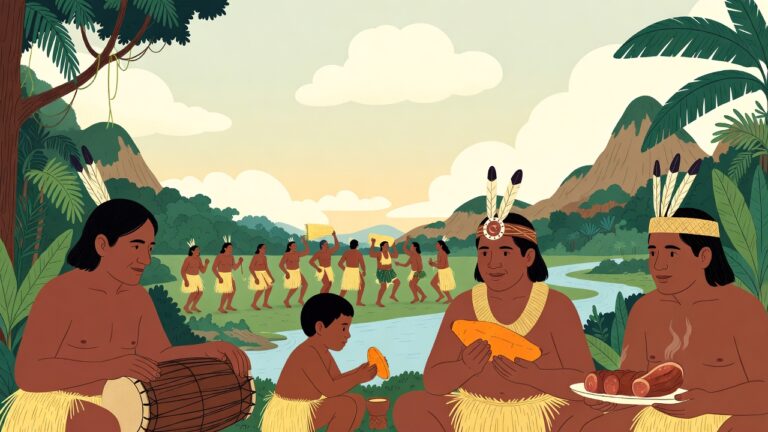
The first sound you hear as morning arrives over a village in the Highlands is the deep, rolling beat of a kundudrum striking once, mingled with the distant call of a bird of paradise and the scent of fresh kaukau (sweetpotato) and smoked pork drifting from a nearby haus tambaran. That drum-sound carries our story back to a time of mountains and jungle, when we lived as the peoples of Papua New Guinea: the Huli, Enga, Asmat, Tolai,Motu, and hundreds of other clans. Our ancestors built haus tambaran (spirit houses) where knowledge and initiation were passed on, hunted with bow and arrow in the jungle, grew taro and yam in fertile soil. The Huli knew their sing-sing and their wigmen who called the spirits, the Asmat their wood carvings that told stories, theTolai their shell money (tabu) that meant wealth. Every family knew the ceremonies of the sing-sing where clans gathered, the stories of the ancestors told around the fire, the bond stronger than the distance between clans.That was our golden time: a land of jungles, mountains, and islands, where people lived in harmony with nature as mother and the spirits as father, connected by rhythm, art, and clan.
But then came the wave from outside, like a storm rising from the sea. The Germans, British, and Australians colonized us in the 19th and 20th centuries, called us New Guinea, and turned us into a source of labor and resources. Every family knew the loss: an ancestor who worked for strangers, a child who learned freedom was forbidden, a culture that had to adapt. World War II brought Japanese and Allied troops, bombs and blood in thejungle. Independence in 1975 brought Michael Somare – hope that grew – but also the challenges of a young nation: tribal conflicts, corruption, the Bougainville crisis of 1988–1997 where tens of thousands died in civil war over the Panguna mine.
From that depth rises a pride that is deep and colorful. The kundu drum that still beats in sing-sings, the bilum bags woven by hand, the birds of paradise that fly free in the jungle. Our people laughing through hardship, our youth rising for a better land, our bond stronger than the jungle. We have found our voice again: peace onBougainville in 2001, hope growing in the villages.
Yet the truth colors magenta like a sunset over the Sepik River. The scars remain: tribal conflicts that still flare,poverty in the highlands, emigration of youth, pressure of climate change on our coast. The outside world buys our gold and our tourism, but often does not feel the depth of a people who never broke.
Still, we remember in silence: around the kundu where music is made, during Independence Day on 16September when we raise our flag, in the jungle where the spirits still speak – never forgetting who we were. We tell our children of the old clans and of Somare, of the sea and the mountains, so they know: we were connected and strong before we were challenged.
And yet… the kundu continues, deep and low, like a heartbeat that never falls silent. That is our secret: we have suffered under colonization, wars, and division, but first we were a land of jungle and rhythm. For our children we build no walls, but a sing-sing where everyone may dance. How do we let that drum-sound bring unity to everyone again? How does Papua New Guinea remain a home of color and resilience?
January 2026
Manna Ori
Long Ai bilong Papua Niu Gini Man
Pastaim yu harim long taim morning i kamap long wanpela ples long Hailans, em i deep na rol bilong kundu dram i paitim wan taim, mix wantaim longlong krai bilong paradais pisin na smel bilong fresh kaukau na smok pork i kamaut long haus tambaran klostu. Dispela kundu beat i karim stori bilong mipela go bek long taim bilong maunten na jungle, taim mipela i stap olsem ol manmeri bilong Papua Niu Gini: Huli, Enga, Asmat, Tolai, Motu na handret lain klans. Ol tumbuna bilong mipela i bildim haus tambaran we ol i givim save na initieisen, i hunt long bow na arrow long jungle, i plantim taro na yam long gutpela graun. Huli i save long sing-sing na wigmen we i kolim spirit, Asmat long wod kaving we i stori, Tolai long shell money (tabu) we i minim welth. Evri famili i save long ceremony bilong sing-sing we ol klans i bung wantaim, stori bilong tumbuna we i tok long paia, bond we i strong pass long dispela distans bilong klans. Dispela i golden taim bilong mipela: graun bilong jungle, maunten na ailan, we manmeri i stap wantaim nature mama na spirit papa, connect long rhythm, art na klans.
Tasol den di wave i kam long autsait, olsem storm i kamap long solwara. Ol Jerman, Briten na Australia i kolonai long 19 na 20 senchuri, i kolim mipela New Guinea na mekim mipela long labor na risos. Evri famili i save long loss: tumbuna we i wok long stranger, pikinini we i lern say freedom i no alau, kalsa we i mas adapt long modern taim. Wol Wo tu i bringim Japan na Allied troop, bomb na blood long jungle. Indipendens long 1975 i bringim Michael Somare – hope we i gro – tasol tu ol chalenj bilong yang kantri: tribal pait, korapsen, Bougainville kraisis long 1988–1997 we ten tausen i dai long civil wo long Panguna main.
Long dispela deep, pride we i deep na strong i kamap. Kundu dram we i still i pait long sing-sing, bilum bag we i han-wev long hand, paradais pisin we i fla long jungle. Ol manmeri bilong mipela we i laugh long hard, ol yangpela we i standap long beta kantri, bond bilong mipela we i strong pass jungle. Mipela i painim bek voice bilong mipela: pis long Bougainville long 2001, hope we i gro long ples.
Tasol truth i color magenta olsem sunset long Sepik riva. Scar i stap yet: tribal pait we i still i kam bek, poverty long hailans, yangpela i go aut long kantri, presur bilong climate change long kos. Autsaid world i baim gold na tourism bilong mipela, tasol planti taim dem no pilim deep bilong wanpela manmeri we i no bruk yet.
Still mipela i remember long quiet: raun long kundu we music i kamap, long Independence Day long 16 Septemba taim mipela i raisim flag bilong mipela, long jungle we spirit i still i tok – mipela no save forget who mipela i bin. Mipela i tokim ol pikinini bilong mipela long old klans na Somare, long solwara na maunten, so dem i save: mipela i connect na strong pastaim long challenge i kam.
Na yet… kundu i go yet, deep na low, olsem heartbeat we i no save stop. Dat na secret bilong mipela: mipela i suffer long kolonisasyon, wo na division, tasol pastaim mipela i bin graun bilong jungle na rhythm. Long ol pikinini bilong mipela mipela no bildim wol, tasol sing-sing we evriwan i ken dance. Olsem wanem mipela i ken mekim dat drum beat i bringim unity bek long evriwan? Olsem wanem Papua Niu Gini i stap home bilong kala na resilience?
Januari 2026
Manna Ori