
Through the Eyes of the Tajik
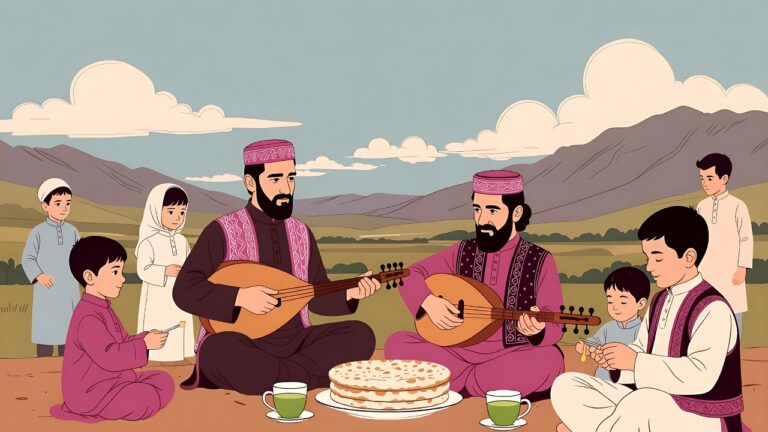
The first sound you hear as morning arrives over Dushanbe is the soft, waving note of a rubab striking a single string, mingled with the distant call of a muezzin and the scent of fresh non (flatbread) and green tea drifting from a nearby home. That string-sound carries our story back to a time of mountains and the Silk Road, when we lived as the people of Tajikistan. Our ancestors built cities like Penjikent and Istaravshan with walls of mud and fire,traders carried silk and spices over the Pamir paths, poets like Rudaki sang of love and wisdom in Persian that still touches our soul. The Sogdians and Bactrians flourished in the valleys, the Samanids united us in the 9th century with Bukhara as a center of knowledge. Every family knew the tales of the Persian classics, the feasts ofNowruz where fires were jumped and tables overflowed with fruit, the bond stronger than the high mountains.That was our golden time: a land of Pamir and valleys, where people lived in harmony with the mountains as fathers and the rivers as mother, connected by poetry, trade, and hospitality.
But then came the wave from outside, like a storm rising from the north. The Mongols devastated our cities in the 13th century, the Russians annexed us in the 19th century, the Soviets in 1924 made us a republic with borders that divided clans. Every family knew the loss: an ancestor who fought in the uprisings, a child who had to speakRussian at school, a culture held in secret. The civil war after independence in 1991 cost tens of thousands of lives, villages burned, families fleeing. Every family knew the fear, the disappearances, the emptiness in the valleys of Rasht.
From that depth rises a pride that is deep and welcoming. The rubab that still plays ragas, the non baked with love, the Pamir that protects us. Our people laughing through hardship, our youth rising for a better land, our bond stronger than the mountains. We have found our voice again: peace after 1997, hope growing in the valleys.
Yet the truth colors magenta like a sunset over the Pamir. The scars remain: the civil war still in memory, poverty in the mountain villages, emigration of youth to Russia, pressure of climate change on our glaciers. The outside world buys our aluminum and our tourism, but often does not feel the depth of a people who never broke.
Still, we remember in silence: around the rubab where music is made, during Independence Day on 9 September when we raise our flag, in the mountains where the spirits still speak – never forgetting who we were. We tell our children of Rudaki and of independence, of the rivers and the mountains, so they know: we were connected and strong before we were challenged.
And yet… the rubab continues, soft and deep, like a promise drifting over the valleys. That is our secret: we have suffered under colonization, civil war, and poverty, but first we were a land of poetry and mountains. For our children we build no walls, but a majlis where everyone is welcome. How do we let that string-sound bring hope to everyone again? How does Tajikistan remain a home of hospitality and resilience?
January 2026
Manna Ori
Аз чашмони тоҷик
Аввалин овозе, ки субҳ дар Душанбе мешунавӣ, овози нарму ҷараённоки рубоб аст, ки як торро як бор мезанад, омехта бо овози дурдасти азон аз масҷид ва бӯи нони тоза ва чойи сабз, ки аз хонаи ҳамсоя меояд. Ин овози тор қиссаи моро ба замони кӯҳҳо ва Роҳи Абрешим бармегардонад, вақте ки мо ҳамчун мардуми Тоҷикистон зиндагӣ мекардем. Аҷдодонамон шаҳрҳои мисли Панҷакент ва Истаравшанро бо деворҳои гилу оташ сохтанд, савдогарон абрешим ва ҳар чизи дигарро аз роҳҳои Помир мебурданд, шоирони мисли Рӯдакӣ дар бораи муҳаббат ва ҳикмат суруданд, ки то ҳол ҷони моро месозад. Согдиён ва Бохтариён дар водӣҳо шукуфон буданд, Самониён дар асри IX моро муттаҳид карданд ва Бухоро маркази дониш шуд. Ҳар оила қиссаҳои классикони форсӣ, ҷашнҳои Наврӯзро, ки оташ мепарронданд ва мизҳо пур аз мева буданд, медонист, пайванде, ки аз кӯҳҳои баланд қавитар буд. Ин замони тиллоии мо буд: кишваре аз Помир ва водӣҳо, ки мардум бо кӯҳҳо ҳамчун падар ва дарёҳо ҳамчун модар дар ҳамоҳангӣ зиндагӣ мекарданд, бо шеър, савдо ва меҳмоннавозӣ пайваст.
Аммо сипас мавҷ аз берун омад, мисли тӯфон аз шимол. Муғулҳо дар асри XIII шаҳрҳоро хароб карданд, русҳо дар асри XIX моро ҳамроҳ карданд, шӯравӣ дар соли 1924 моро ҷумҳурӣ карданд ва марзҳо қабилаҳоро ҷудо карданд. Ҳар оила талафотро медонист: аҷдоде, ки дар шӯришҳо ҷанг кардааст, кӯдаке, ки бояд русӣ гап занад, фарҳанге, ки пинҳонӣ зинда мондааст. Ҷанги шаҳрвандӣ пас аз истиқлолияти 1991 даҳҳо ҳазор ҷон гирифт, деҳаҳо сӯзонда шуданд, оилаҳо фирор карданд. Ҳар оила тарс, ғайбшудагон ва холӣ дар водӣҳои Раштро медонист.
Аз ин умқ фахри чуқур ва меҳмоннавозӣ бармехезад. Рубоб, ки ҳанӯз рагаҳо менавозад, нон бо муҳаббат пухта мешавад, Помир моро ҳифз мекунад. Мардуми мо аз мушкилот механданд, ҷавонон барои кишвари беҳтар бармехезанд, пайванди мо аз кӯҳҳо қавитар аст. Мо овозамонро бозёфтем: сулҳ пас аз 1997, умед дар водӣҳо мерӯяд.
Аммо ҳақиқат ба ранги магента ранг мегирад мисли ғуруби офтоб болои Помир. Захмҳо боқӣ мемонанд: хотираи ҷанги шаҳрвандӣ, камбизоатӣ дар деҳаҳои кӯҳӣ, муҳоҷирати ҷавонон ба Русия, фишори тағйирёбии иқлим бар рӯи яхҳо. Ҷаҳони берун алюминий ва туризмаи моро мехарад, аммо аксар вақт умқи мардуме, ки ҳеҷ гоҳ наканҷид, эҳсос намекунад.
Бо вуҷуди ин мо дар хомӯшӣ ёд меоварем: гирди рубоб, ки мусиқӣ сохта мешавад, дар Рӯзи истиқлолият 9 сентябр, вақте парчами худро барафроштем, дар кӯҳҳо, ки рӯҳҳо ҳанӯз сухан мегӯянд – ҳеҷ гоҳ фаромӯш намекунем, ки кӣ будем. Ба фарзандонамон аз Рӯдакӣ ва истиқлолият, аз дарёҳо ва кӯҳҳо нақл мекунем, то бидонанд: мо пеш аз мушкилот пайваста ва қавӣ будем.
Вале… рубоб идома медиҳад, нарм ва чуқур, мисли ваъдае, ки болои водӣҳо парвоз мекунад. Ин сирри мост: мо зери мустамлика, ҷанги шаҳрвандӣ ва камбизоатӣ азоб кашидем, аммо аввал мо кишваре аз шеър ва кӯҳҳо будем. Барои фарзандонамон деворҳо намефарошем, балки маҷлисе, ки ҳар кас хуш омад. Чӣ гуна ин овози торро дубора барои ҳама умед меоварем? Чӣ гуна Тоҷикистон хонаи меҳмоннавозӣ ва устуворӣ мемонад?
Январ 2026
Manna Ori