
Through the Eyes of the Turkmen
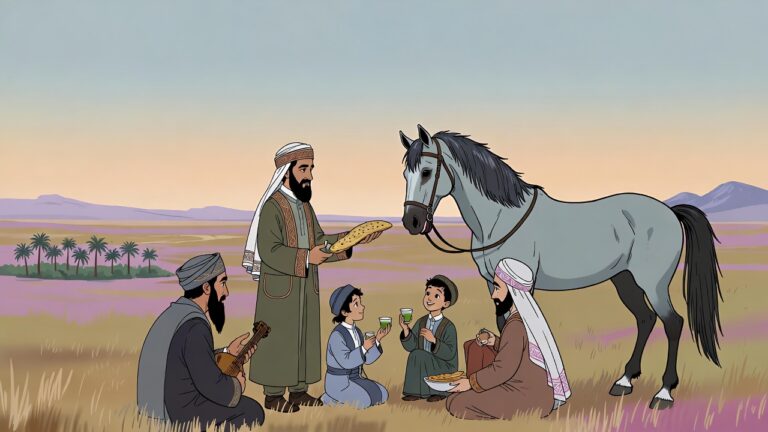
The first thing you feel as morning comes over Ashgabat is the soft, persistent sound of the wind rustling through the high steppes, blended with the distant neighing of an Akhal-Teke horse and the drifting scent of fresh çörek(flatbread) and green tea rising from a nearby home. That wind carries our story back to a time of open plains and caravans, when we lived as the Turkmen in this land we call Türkmenistan. Our ancestors rode horses across the Karakum Desert, herded sheep and camels that meant wealth, built oasis cities like Merv where traders exchanged spices and silk. The Turkmen knew their tribal traditions and their knowledge of the desert,the epic poems of Magtymguly Pyragy that touched the soul, the yurts that could stand anywhere. Every family knew the feasts of Novruz where fires were jumped over, the stories of ancestors passed around the fire, the bond stronger than the distance between tribes. That was our golden time: a land of desert and oases, where people lived in harmony with the wind as brother and the earth as mother, free and connected through horse,song, and hospitality.
But then came the wave from outside, rising like a storm from the north. The Russians annexed us in the 19th century, the Soviets in 1924 made us a republic with borders that divided tribes, collectivisation and repression brought famine and deportations. Every family knew the loss: a grandfather who vanished in the hunger, a child forced to speak Russian at school, a culture held in secret. Independence in 1991 brought Saparmurat Niyazov—hope that began but turned into a personality cult—and then Gurbanguly Berdimuhamedow. Every family knew the fear, the silence, the emptiness in the villages.
From that depth rises a pride that is deep and free. The Akhal-Teke horses still gallop, çörek baked with love, the wind filling the steppes. Our people laugh through hardships, our young dream of a better country, our bonds stronger than the desert. We have reclaimed our voice: independence, the hope growing in the oases.
Yet the truth colours magenta like a sunset over the Karakum. The scars remain: the memory of Soviet times, the isolation under the presidents, the emigration of youth, the pressure of a fast-changing world. The outside world buys our gas and our carpets, but often fails to feel the depth of a people that never broke.
Still, we remember in silence: around the fire where tea is brewed, on Independence Day the 27th of October when we raise our flag, in the desert where spirits still speak—never forgetting who we were. We tell our children of Magtymguly and of independence, of the steppes and the oases, so they know: we were connected and strong before the challenges came.
And yet… the wind keeps blowing through the steppes, endless and free, like a promise that the horizon always remains open. That is our secret: we have suffered under colonisation, isolation, and change, but first we were a land of wind and horse. For our children we build no walls, but a yurt where everyone is welcome. How do we let that wind bring freedom once more to all? How does Turkmenistan remain a home of hospitality and open space?
January 2026
Manna Ori
Türkmeniň Gözünden
Aşgabat üstüne irden gelende ilkinji duýýan ses, ýokary boýly çölleriň içinden ýumşak we yzygiderli öwüsýän ýeliň sesi, uzakdan Akhal-Teke atyň kişňemegi we ýakyn jaýdan çykýan täze çörek (tekje çörek) bilen ýaşyl çaýyň ysy bilen garyşýar. Ol ýel bizi açyk düzlükler we kerwenler zamanyna gaýdyp getirýär; biz Türkmenistan diýip atlandyrýan bu ýurtda türkmen bolup ýaşan wagtymyza. Ata-babalarymyz Garagum çölünden atly geçip, baýlyk diýmek bolan goýun we düýe bakyp, Merv ýaly oazis şäherlerini gurupdyrlar, ol ýerde söwdagärler baharat we ýüpek alyş-çalyş edýärdiler. Türkmenler öz taýpa däplerini we çöl bilimlerini bilýärdiler, Magtymguly Pyragynyň ruhy ýetiren epiki goşgularyny, islendik ýerde durup biljek ýurtlaryny. Her maşgala Nowruz baýramlarynda ot üstünden bökýän, ojak başynda ata-babalaryň hekaýalarynyň aýdylýan, taýpalar arasyndaky aralykdan güýçli bolan baglanyşygy bilýärdi. Ol biziň altyn asyrmyzdy: çöl we oazisler ýurdy; ýel dogan, ýer ene hökmünde sazlaşykda ýaşalan, at, aýdym we myhmansöýerlik arkaly baglanyşykly, erkin bir ýer.
Emma soňra daşardan gelen tolkun geldi, demirgazyk tarapdan tupan ýaly ýokarlandy. Ruslar XIX asyrda bizi birleşdirdi, sowetler 1924-nji ýylda bizi taýpalary bölýän serhetli respublika etdi, kollektiwleşdirme we basyş açlyk we sürgün getirdi. Her maşgala ýitgini tanydy: açlykda ýitip giden baba, mekdepde rusça gürlemeli bolan çaga, gizlin saklanýan medeniýet. 1991-nji ýyldaky garaşsyzlyk Saparmyrat Nyýazowy getirdi—başlan umyt şahsyýet kultuna öwrüldi—soňra Gurbanguly Berdimuhamedow. Her maşgala gorkyny, suslugy, obalardaky boşlugy bildi.
Şol çuňlukdan çuň we erkin buýsanç ýokarlanýar. Akhal-Teke atlar henizem ýaryşýar, çörek söýgi bilen bişirilýär, çölleri doldurýan ýel. Adamalarymyz kynçylyklara gülýär, ýaşlarymyz has gowy ýurt barada arzuw edýär, baglanyşygymyz çölden güýçlidir. Sesimizi gaýtadan tapdyk: garaşsyzlyk, oazislerde ösýän umyt.
Ýöne hakykat Garagum üstündäki günbatar ýaly magenta reňkde. Yzlar galýar: sowet döwrüniň ýady, prezidentleriň aşakynda izolýasiýa, ýaşlaryň göçüşi, çalt üýtgeýän dünýäniň basyşy. Daşky dünýä biziň gazymyzy we halylarymyzy satyn alýar, ýöne hiç haçan synmadyk halkyň çuňlugyny duýmaýar köplenç.
Ýine-de ýatlaýarys sessizlikde: çaý demleýän ojak başynda, 27-nji oktýabr garaşsyzlyk güni bayragymyzy göterýänimizde, ruhlaryň henizem gürleýän çölünde—biz kim bolandygymyzy hiç haçan unutmaýarys. Çagalarymyza Magtymgulyny we garaşsyzlygy, çölleri we oazisleri gürrüň berýäris ki, bilsinler: kynçylyklar gelmezden öň baglanyşykly we güýçliydik.
We ýine-de… ýel çölleriň içinden öwüsýär, çäksiz we erkin, ufuk elmydama açyk galýar diýen wada ýaly. Bu biziň syrymyz: kolonizasiýa, izolýasiýa we üýtgeşmeler astynda ejir çekdik, ýöne ilkinji ýel we at ýurdy bolduk. Çagalarymyz üçin diwar däl-de, her kimiň hoş gelip biler ýaly ýurdy gurýarys. Ol ýeliň ýene-de erkinligi getirýänini nädip ederis, Türkmenistan myhmansöýerlik we giňişlik öýi bolup nädip galýar?
Ýanwar 2026
Manna Ori