
Through the Eyes of the Zambian
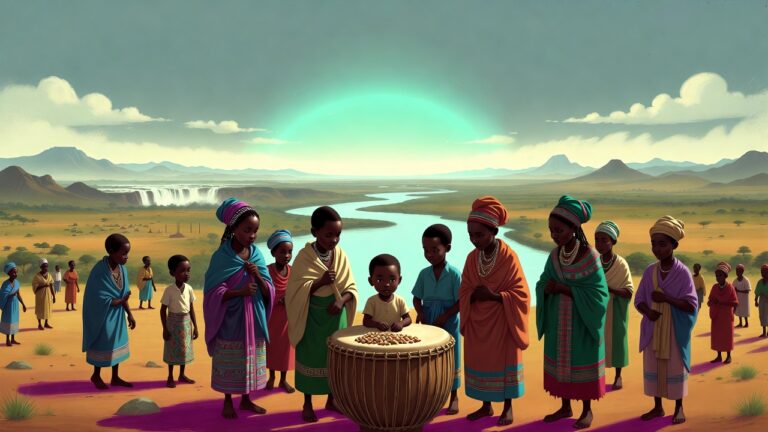
The first sound you hear as morning arrives over Lusaka is the soft, rhythmic beat of a kalindula drum striking once, blended with the distant call of a fish eagle along the Zambezi and the aroma of fresh nshima (maize meal porridge) and kapenta (smoked fish) drifting from a nearby home. That drum sound carries our story back to a time of rivers and savanna, when we lived as the peoples of Zambia: the Bemba, Tonga, Lozi, Ngoni, Lunda, Kaonde, and many others. Our ancestors built kingdoms such as the Lozi kingdom with its Barotse floodplain and the Bemba empire, traded along the Zambezi, grew sorghum and maize in fertile soil. The Lozi knew their Litunga king and their Kuomboka ceremony where the king moved in a royal barge during floods, the Bemba their Chitimukulu and their knowledge of the land, the Ngoni their cattle and warriors. Every family knew the stories of the ancestors, the dances around the fire that filled the night with rhythm, the communities where sharing was natural and respect for the chiefs was law. That was our golden time: a land of rivers, waterfalls, and savanna, where people lived in harmony with the Zambezi as mother and Victoria Falls as father, connected through cattle, rhythm, and hospitality.
But then came the wave from outside, rising like a storm from the south. The British colonized us in the 19th century as Northern Rhodesia, turning us into a source of copper and labour. Every family knew the loss: an ancestor who worked in the mines of Kitwe and Ndola, a child forced to speak English at school, a culture forced to adapt. Independence in 1964 brought Kenneth Kaunda—hope that bloomed with unity—but also the one-party state until 1991, economic crisis, the emigration of youth. Every family knew the disappointment, the silence in the townships.
From that depth rises a pride that is warm and welcoming. The kalindula still beats in the villages, nshima shared with love, Victoria Falls roaring to show the world how powerful we are. Our people laugh through hardships, our young rise for a better country, our bonds stronger than crisis. We have reclaimed our voice: the democracy that grows, the hope burning along the Zambezi.
Yet the truth colours magenta like a sunset over the Copperbelt. The scars remain: poverty in the townships, the emigration of youth, the pressure of climate change on our agriculture, the memory of the one-party state. The outside world buys our copper and our tourism, but often fails to feel the depth of a people that never broke.
Still, we remember in silence: around the kalindula where music is born, on Independence Day the 24th of October when we raise our flag, in the villages where spirits still speak—never forgetting who we were. We tell our children of the ancient kingdoms and of Kaunda, of the river and the savanna, so they know: we were connected and strong before the challenges came.
And yet… the kalindula continues, deep and low, like a heartbeat that never falls silent. That is our secret: we have suffered under colonisation, crisis, and unrest, but first we were a land of river and rhythm. For our children we build no walls, but a village square where everyone may dance. How do we let that drum sound bring hope once more to all? How does Zambia remain a home of hospitality and resilience?
January 2026
Manna Ori
Mu Meso a Mwina Zambia
Icintu cya kumfwa pa kaca pa Lusaka ni iciswi ca kalindula ca kumfwa kamwi, calingana na kula kwa fisu pa Zambezi na nsalu ya nshima ipya na kapenta (isabi lyakuka) lyafuma mu numba ya pa nsa. Iciswi ca kalindula ciletwafye ifyo ifibwe pa nshita ya milonga na savanna, pa nshita twali twikala kwati abena Zambia: Bemba, Tonga, Lozi, Ngoni, Lunda, Kaonde na bambi. Abena twali twakula ifyalo nga Lozi kingdom na Barotse floodplain na Bemba empire, twali twacita ubucisungu pa Zambezi, twali twalima sorghum na maize mu cilu ca mubili. Lozi bali bashi Litunga king na Kuomboka ceremony apo king aleenda mu bwato bwa mfumu pa kufika kwa menshi, Bemba bali na Chitimukulu na bwino bwa panshi, Ngoni bali na ng'ombe na ba shilika. Icikola ca umwina cakula ifibwe fya ba wishi, ifisungu fya pa moto fyali fyafika ubusiku na ritimu, ifyalo fya pa nsa apo kushare fyalifika normal na respect ku chiefs fyalifika law. Iyo yali golden time yetu: icalo ca milonga, mapopwe na savanna, apo abena bali baikala mu harmony na Zambezi nga mayo na Victoria Falls nga wishi, connected na ng'ombe, ritimu na hospitality.
Lekin kwali kwisa wave ya pa nse, kwisa kwati storm ya ku south. Abena British bali ba kolonisa mu 19th century nga Northern Rhodesia, ba twa twa source ya copper na labour. Icikola ca umwina cakula loss: wishi aleenda mu mine ya Kitwe na Ndola, mwana aleenda ku school aleenda English, culture yali yafika adapt. Independence mu 1964 yaleta Kenneth Kaunda—hope yali yabloom na unity—lekin one-party state kufika 1991, economic crisis, emigration ya yut. Icikola ca umwina cakula disappointment, silence mu township.
Kwa depth iyo kwisa pride ya warm na welcoming. Kalindula yali yabeata mu village, nshima yali yashare na love, Victoria Falls yali yaroar ku show world how powerful twali. Abena betu bali balaugh mu hardship, yut betu bali basimuka fi better country, bond betu yali strong moa na crisis. Twali twakula back voice yetu: democracy ya grow, hope ya burn along Zambezi.
Yet truth yali yacolour magenta kwati sunset pa Copperbelt. Scars yali yastay: poverty mu township, emigration ya yut, pressure ya climate change pa agriculture yetu, memory ya one-party state. Outside world yali yabuy copper na tourism yetu, lekin often yali yafail ku feel depth ya people ya never break.
Still, twali twarememba mu silence: around kalindula apo music yali yaborn, pa Independence Day 24 October apo twali twaraise flag yetu, mu village apo spirits yali yastill talk—never forget who twali. Twali twatala children yetu ya ancient kingdoms na Kaunda, ya river na savanna, so bay know: twali connected na strong before challenges yali yaisa.
And yet… kalindula yali yacontinue, deep na low, kwati heartbeat ya never fall silent. Dat i secret yetu: twali twasuffer under colonisation, crisis na unrest, lekin first twali land ya river na rhythm. Fi children yetu twali twabuild no walls, lekin village square apo evryone may dance. How twali twaletem dat drum sound bring hope once more to all? How Zambia yali yastay home ya hospitality na resilience?
January 2026
Manna Ori