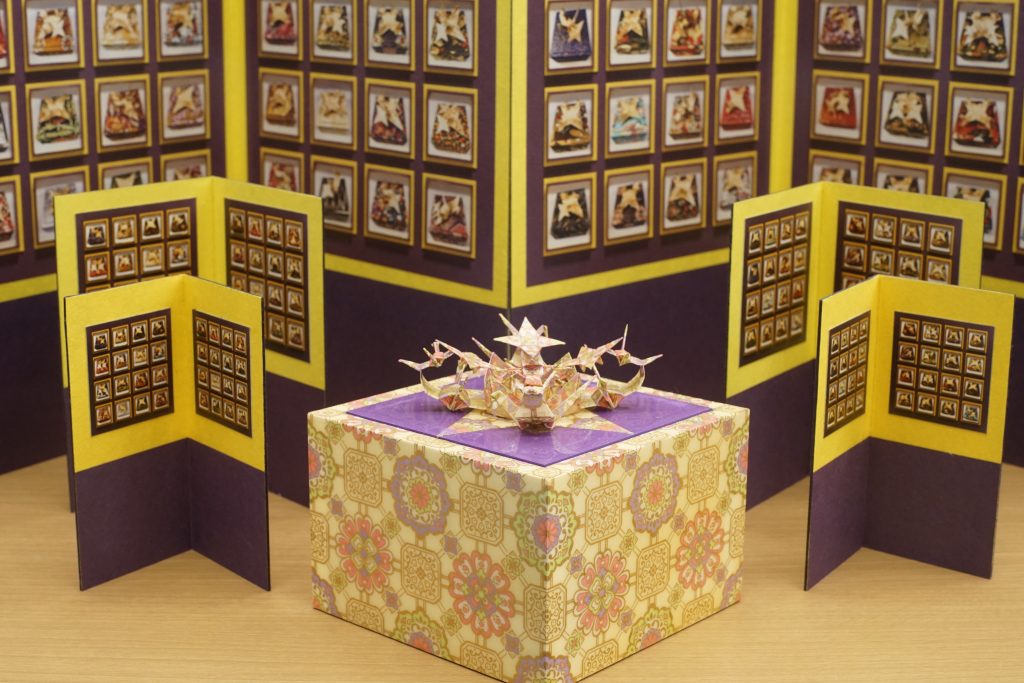
This guideline helps you create an exhibition that not only celebrates children’s art but also provides an educational and inspiring platform on the subject of peace.
1 Purpose and Theme
Purpose: Promote understanding, creativity, and dialogue around the theme of peace.
Theme: Choose a specific theme like “Peace in Our Classroom”, “Peace with Nature”, “Global Peace”, or change the theme per exhibition.
2 Preparation
Planning: Determine the date, duration, and location of the exhibition. Ensure there’s ample preparation time.
Collaboration: Work with teachers, parents, and local artists or activists to enrich the exhibition.
Thematic Workshops: Organize workshops in the weeks leading up to the exhibition to help children with their art works.
3 Submissions
Call for Submissions: Inform students that they can submit their creations. These can be drawings, paintings, sculptures, poems, or short stories.
Diversity: Encourage diverse forms of art to show that peace can be expressed in many ways.
4 Selection and Presentation
Selection: You can have a jury, or everyone who submits something can be exhibited to promote inclusivity.
Layout: Plan the space so that each work is well visible. Use walls, tables, or even the floor for larger pieces.
Labels: Provide labels for each work with the creator’s name, the title of the work, and possibly a short description or motivation.
5 Interactive Elements
Voting: Allow visitors to vote for their favorite piece for a “People’s Choice Award”.
Peace Wall: A space where visitors can contribute something themselves, like a message or drawing about peace.
Peace Messages: Distribute cards or stickers with peace messages that visitors can take home.
6 Educational and Interactive Activities
Workshops during the Exhibition: Short sessions where children can participate in peace projects.
Storytelling: Share stories about peace from different cultures or history.
Discussions: Organize talks or a “Peace Café” where children can discuss what peace means to them.
7 Opening and Closing
Opening Ceremony: Begin with a short ceremony, perhaps with a speech, music, or a peace ritual.
Closing: Conclude with an award presentation for the “People’s Choice Award” and possibly other recognitions.
8 Promotion and Documentation
Promotion: Use school newsletters, social media, local media, and word of mouth to reach as many people as possible.
Documentation: Take photos or videos of the exhibition to capture and share the experience. This can also encourage participation in future events.
9 Reflection and Feedback
Reflection: After the event, reflect with the organizers and participants on what went well and what could be improved.
Feedback: Ask for feedback from participants and visitors to improve future exhibitions.
10 Continuity
Regularity: Consider making the exhibition an annual event.
Network: Use the exhibition as a means to build a network of peace initiatives within the community.